
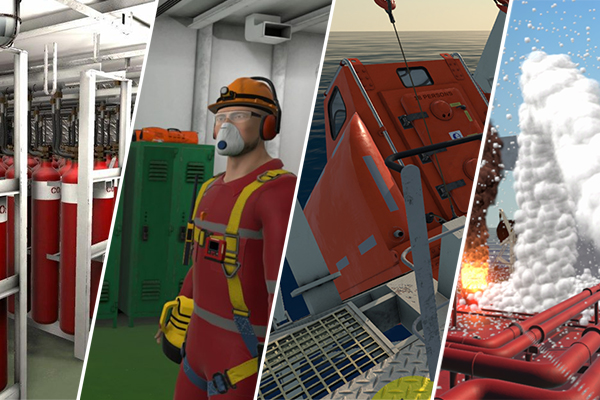
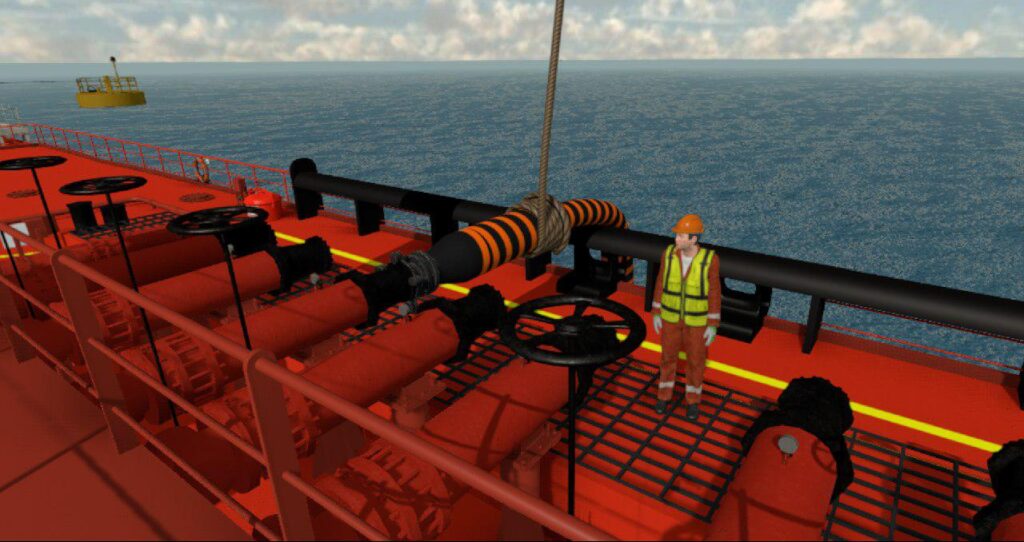
Mid-Ship Crane Operation
This Module is to provide necessary theoretical and practical knowledge to crew involved with Hose Handling & Crew Transfer Operation to perform tasks in a safely manner onboard of vessel.
LEGISLATION & REFERENCES:
Requirements of the STCW Convention, Regulation 1/12. :
- Table A-II/5
- Part – B-I/12 73.6
Reference to IMO Model Course:
- 1.23 Proficiency in Survival Craft and Rescue Boats, 2000
- 7.01 Master and Chief Mate
- 7.02 Chief Engineer Officer and Second Engineer Officer
- 7.03 Officer in Charge of a Navigational Watch
- 7.04 Officer in Charge of an Engineering Watch
LIFTING PLANT AND OPERATIONS (COSWP), MSA
LEARNING OBJECTIVES:
- Give examples of the result of incorrect use of lifting components and how this can be avoided.
- Show knowledge of the regulations regarding marking, documentation, use, maintenance, daily inspection and discard criteria of lifting gear.
- Choose correct lifting equipment and show correct methods of use.
- Direct crane operations safely using radio & hand signals
- Develop and follow a lifting plan and risk assessment

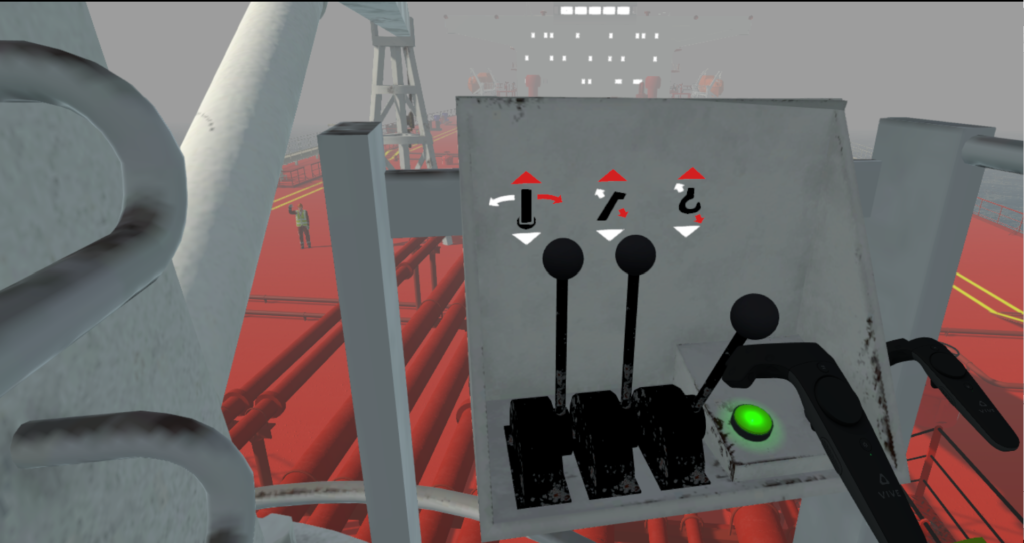
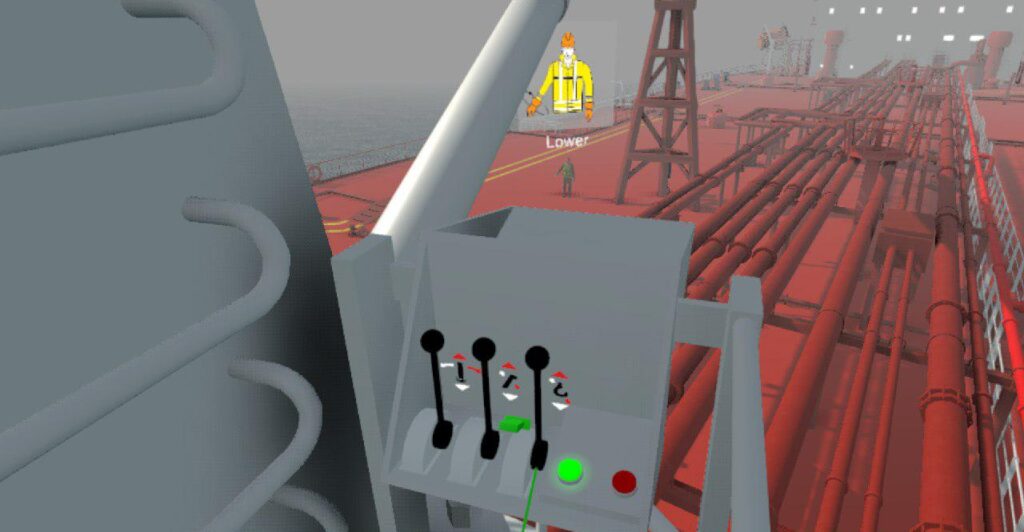
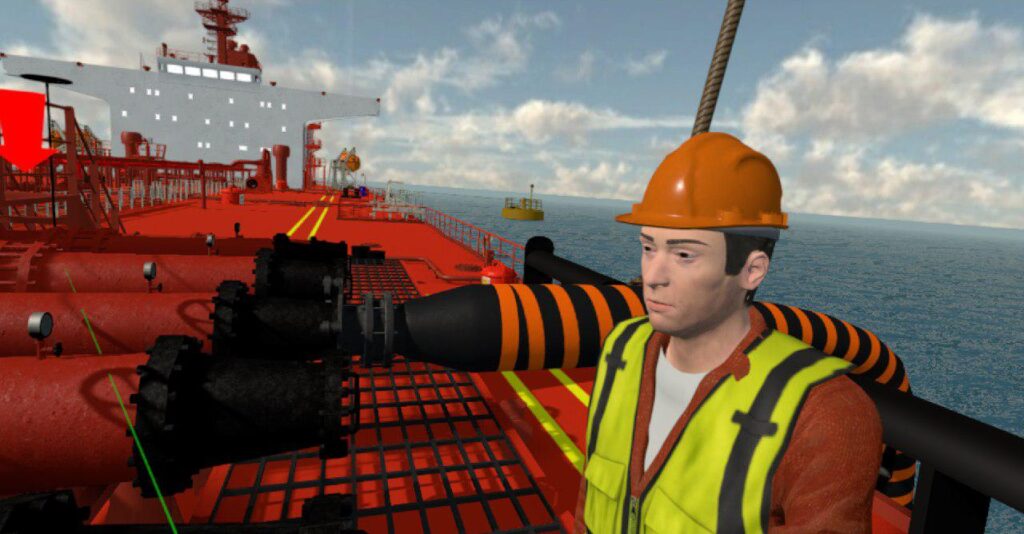
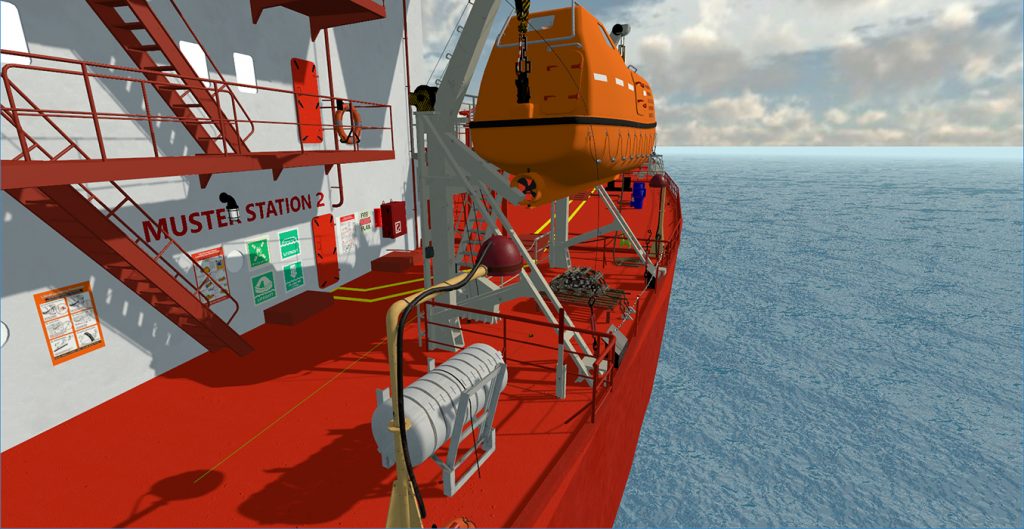
Proficiency In Survival Craft
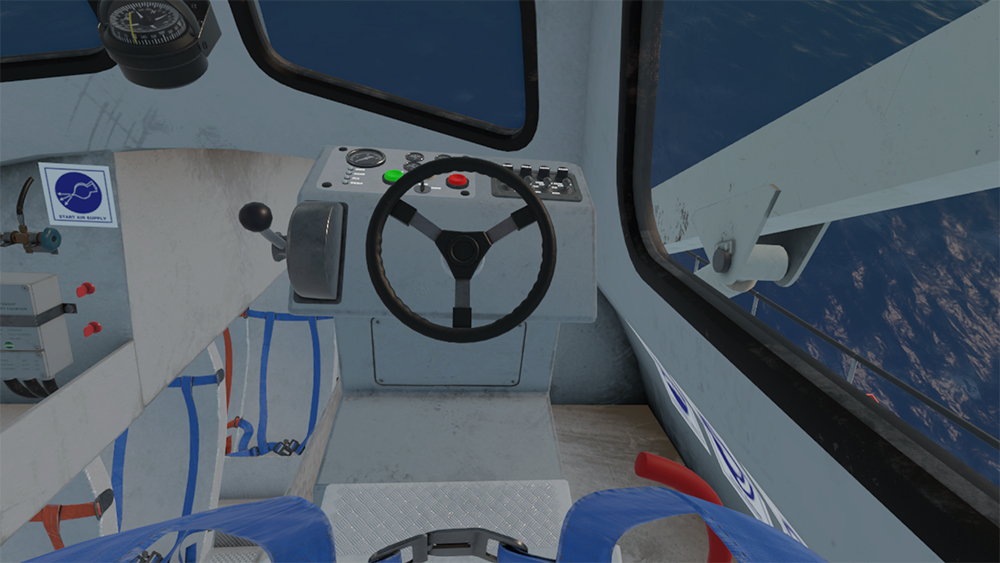
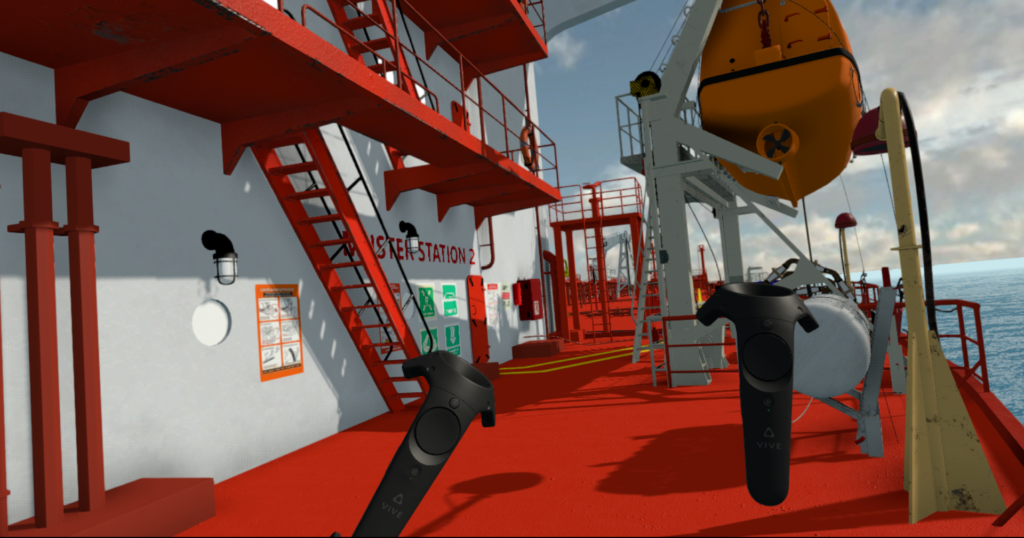
This module is to provide necessary theoretical and practical knowledge to crew for successful demonstration competency to launch enclosed lifeboat in heavy weather, abandon ship drill procedures and scenarios.
LEGISLATION & REFERENCES:
Requirements of the STCW Convention, Regulation 1/12. :
- Table A-VI/2-1.1
- Table A-VI/2-1.2
- Table A-VI/2-1.3
- Table A-VI/2-1.4
Reference to IMO Model Course :
- 1.23 Proficiency in Survival Craft and Rescue Boats, 2000
- 7.01 Master and Chief Mate
- 7.02 Chief Engineer Officer and Second Engineer Officer
- 7.03 Officer in Charge of a Navigational Watch
- 7.04 Officer in Charge of an Engineering Watch
LEARNING OBJECTIVES:
- Introduction and safety
- Abandon ship
- Survival craft
- Launching arrangements
- Evacuation and recovery of survival craft
- Lifeboat engine and accessories
- Actions to take when aboard a survival craft
- Radio equipment
- First aid
- Drills in launching and recovering boats
Life Raft:
- Auto release with Hydrostatic Release Unit (HRU)
- Manually launching






Tanker Operation
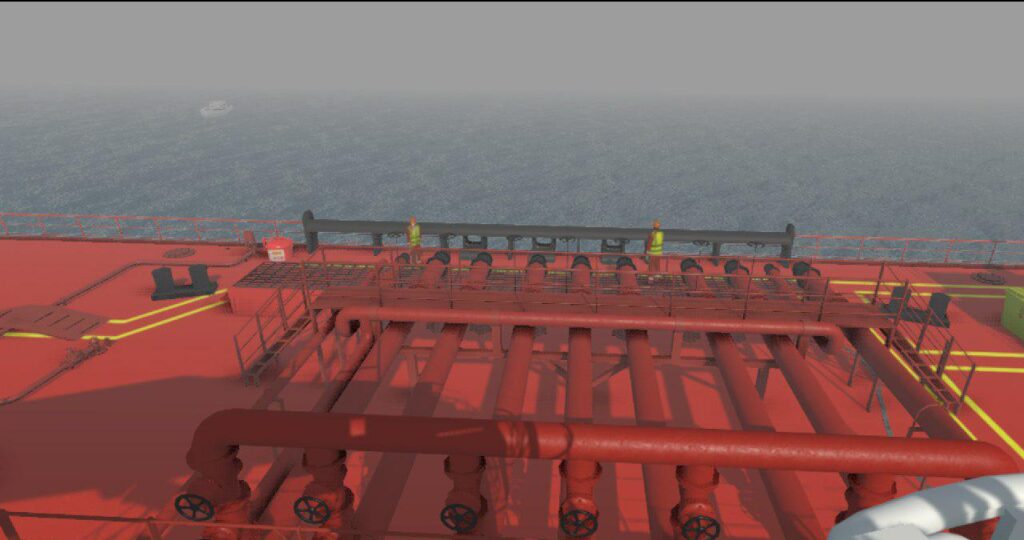
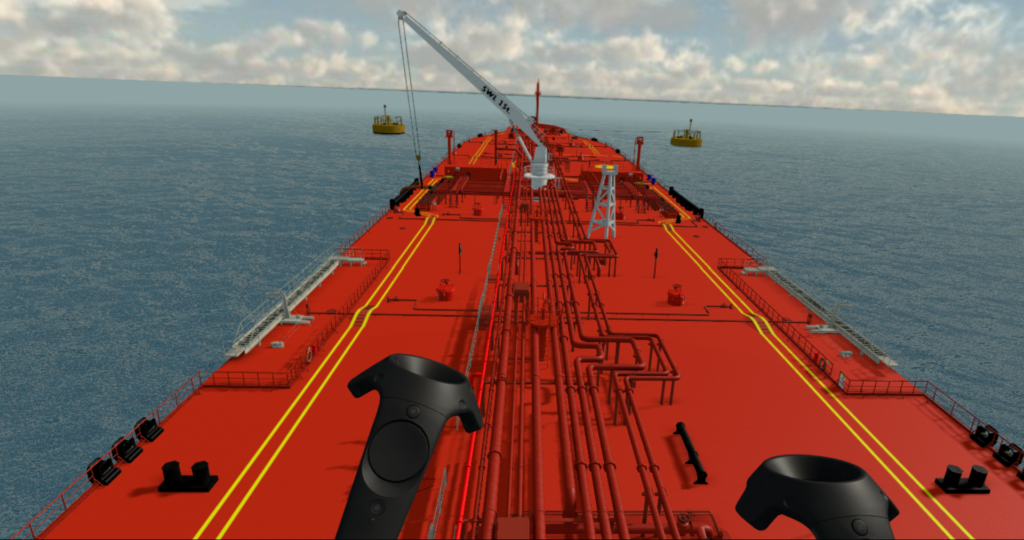
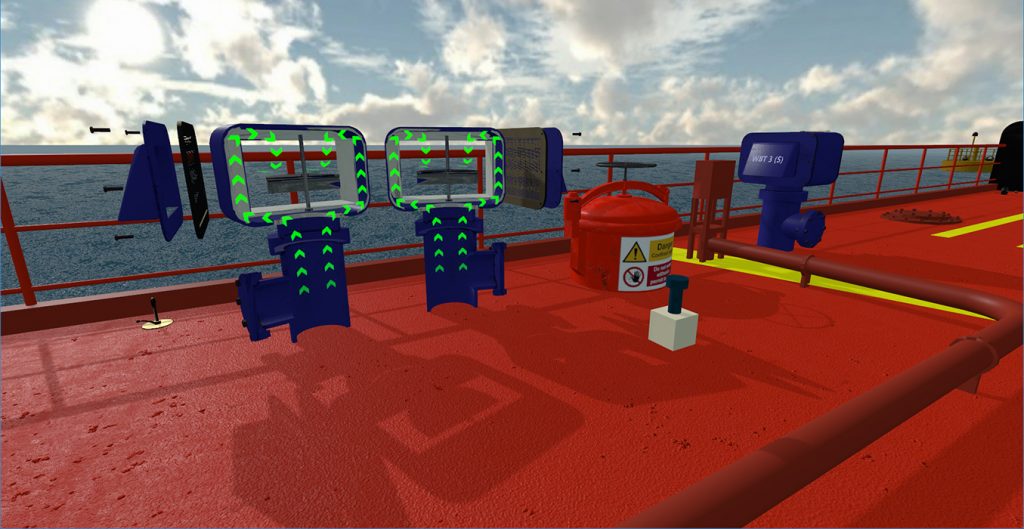
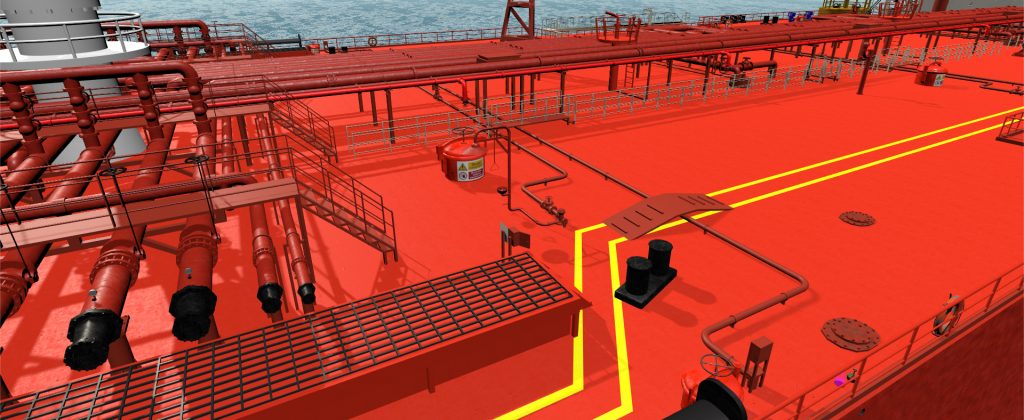
This Module put focus on the relation between human attitude and a safe and efficient operation of tankers as per ISGOTT with regards to Ship Shore Safety Check List. The Module allowed a real deck round required before, during and after completion of cargo operation.
LEGISLATION & REFERENCES:
Requirements of the STCW Convention, Regulation 1/12. :
- Table A-V/1-1-1
Reference to IMO Model Course :
- 1.01 Training for Oil and Chemical Tanker Cargo Operations, 2014
- 1.02 Advanced Training for Oil Tanker Cargo Operations, 2015
- 1.03 Advanced Training for Chemical Tanker Cargo Operations, 2016
- 7.01 Master and Chief Mate
- 7.02 Chief Engineer Officer and Second Engineer Officer
- 7.03 Officer in Charge of a Navigational Watch
- 7.04 Officer in Charge of an Engineering Watch
ISGOTT 5th Edt.
LEARNING OBJECTIVES:
- Oil Tanker Familiarization
- Tanker Operation
- SSSCL
- Safety Culture on board of Tanker


Practical Examination of Life Saving Appliances (LSA)
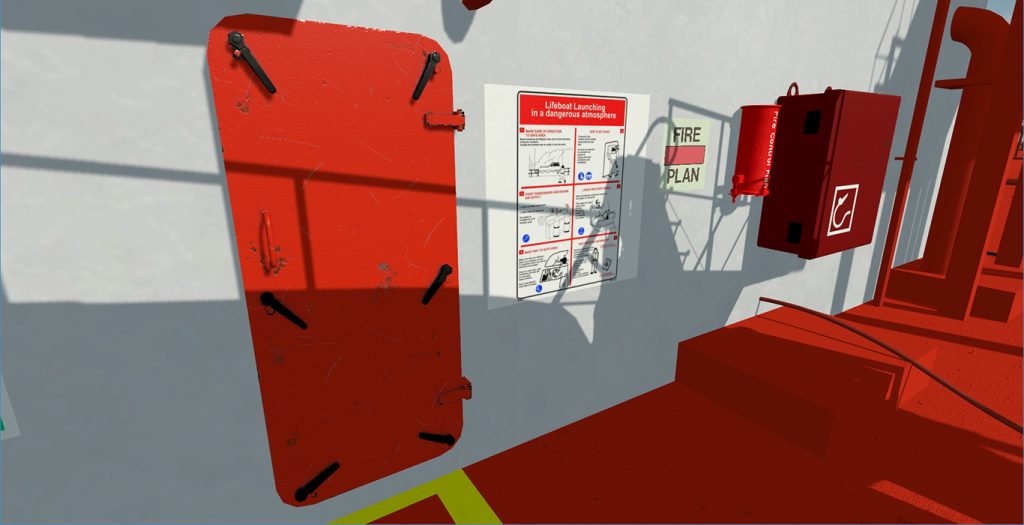
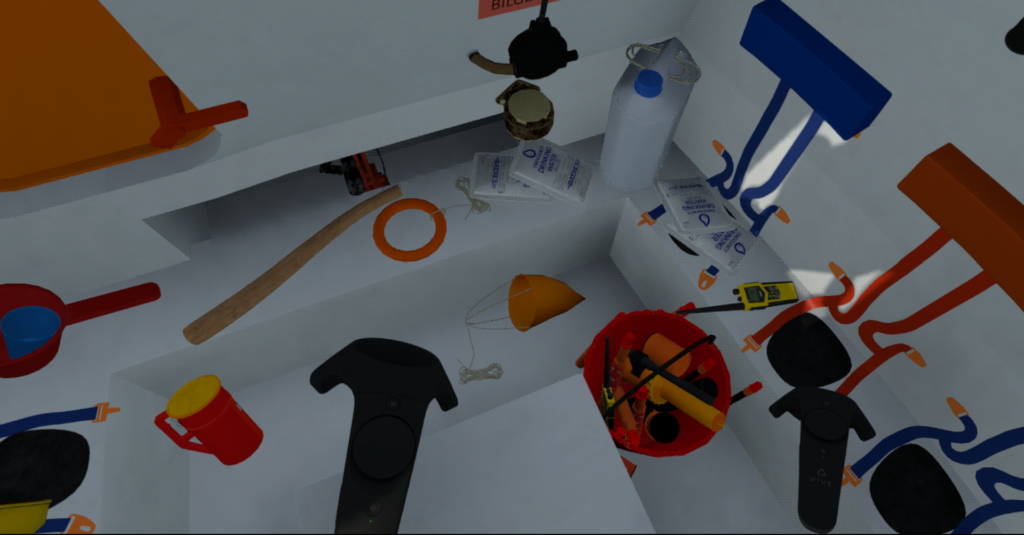
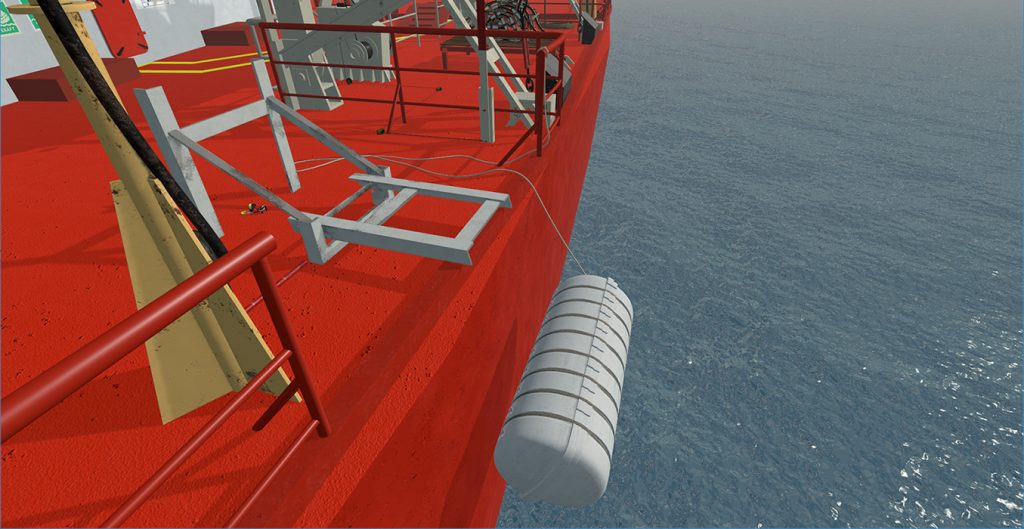
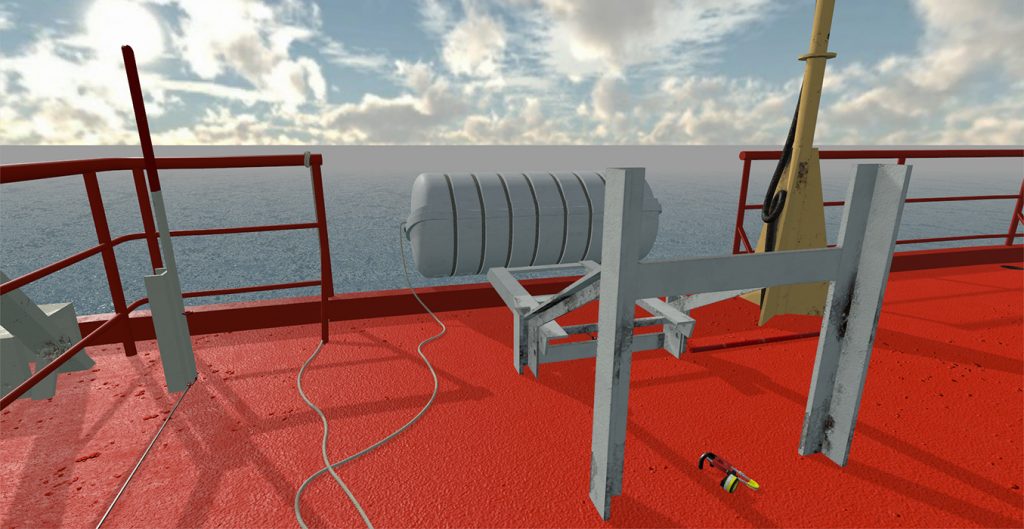
This Module put focus on efficient Examination of Life Saving Appliances (LSA). The Module based on most repeated deficiencies recorded by PSC.
LEGISLATION & REFERENCES:
Requirements of the STCW Convention, Regulation 1/12. :
- Table A-VI/2-1.1
- Table A-VI/2-1.2
- Table A-VI/2-1.3
- Table A-VI/2-1.4
Reference to IMO Model Course :
- 1.19 Proficiency in Personal Survival Techniques, 2019
- 3.06 Survey of Life-Saving Appliances and Arrangements
- 3.09 Port State Control,
- 7.01 Master and Chief Mate
- 7.02 Chief Engineer Officer and Second Engineer Officer
- 7.03 Officer in Charge of a Navigational Watch
PSC deficiency database
LEARNING OBJECTIVES:
- Examination of Lifeboats
- Examination of on-load release gear
- Examination of off-load release gear
- Examination of Liferaft
- Examination of Lifebouy
- Examination of launching appliances for survival craft
- Operational Readiness of LSA




Practical Examination of Fire Fighting Equipment (FFE)
This Module puts focus on efficient Examination of Fire Fighting Equipment (FFE). The Module based on most repeated deficiencies recorded by PSC.
LEGISLATION & REFERENCES:
Requirements of the STCW Convention, Regulation 1/12. :
- Table A-II/1
- Part A-VI/1-2
- Part A-VI/1-3
Reference to IMO Model Course :
- 1.20 Fire Prevention and Fire Fighting, 2000
- 3.05 Survey of Fire Appliances and Provisions
- 3.09 Port State Control,
- 7.01 Master and Chief Mate
- 7.02 Chief Engineer Officer and Second Engineer Officer
- 7.03 Officer in Charge of a Navigational Watch
- 7.04 Officer in Charge of an Engineering Watch
PSC deficiency database
LEARNING OBJECTIVES:
- Examination of Fire doors
- Examination of fire detection system
- Examination of Main Fire Extinguishing System
- Examination of Fire Extinguishers
- Examination of Fireman Outfit (including SCBA)
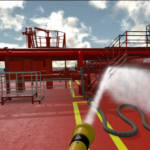

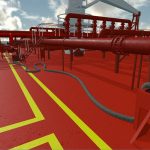
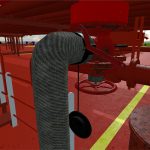

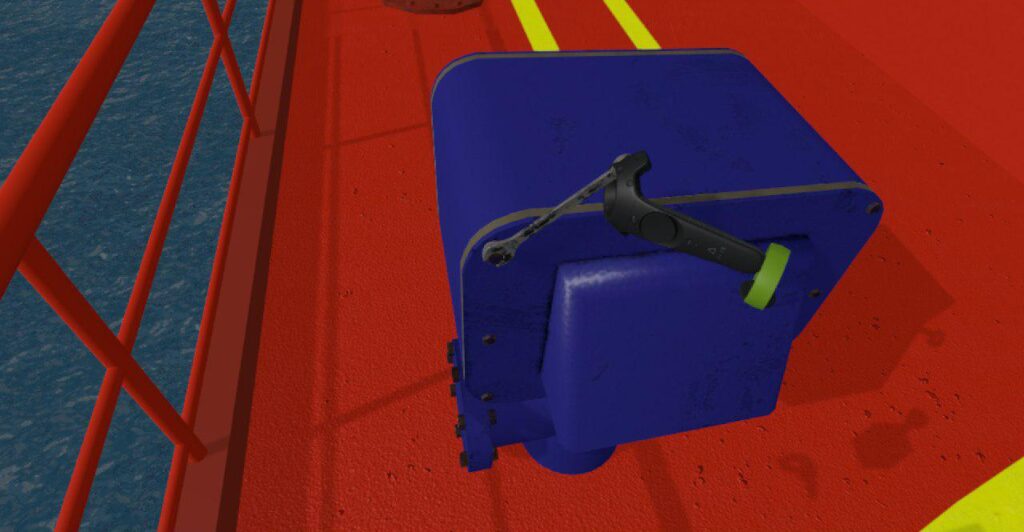
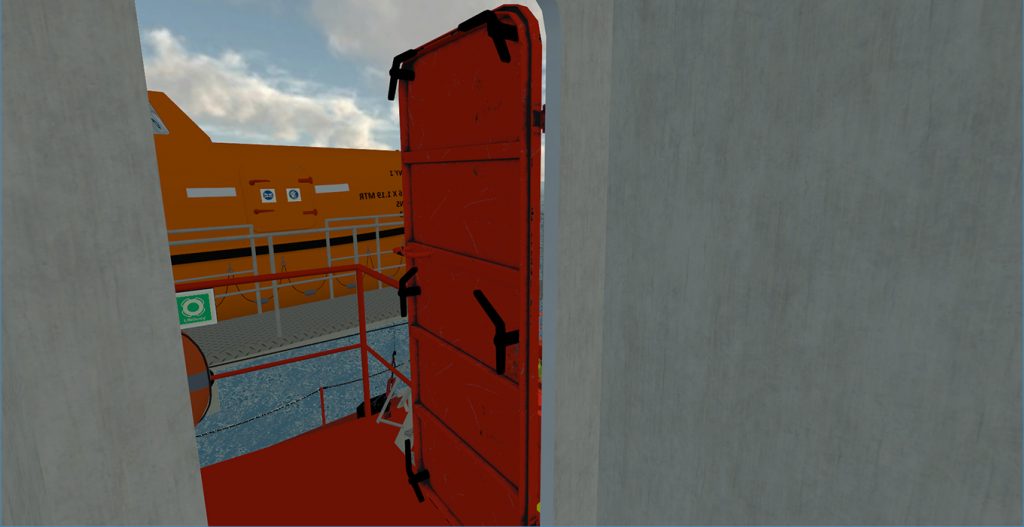
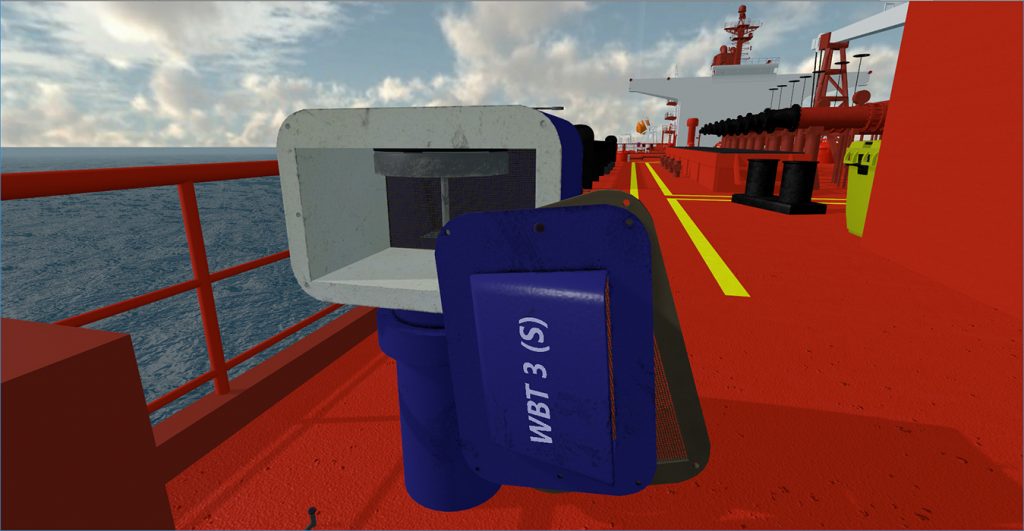
This Module put focus on efficient Examination of Load Line related Items. The Module based on most repeated deficiencies recorded by PSC.
LEGISLATION & REFERENCES:
Requirements of the STCW Convention, Regulation 1/12. :
- Table A-II/2
Reference to IMO Model Course :
- 3.07 Hull and Structural Surveys
- 3.09 Port State Control
- 7.01 Master and Chief Mate
- 7.02 Chief Engineer Officer and Second Engineer Officer
- 7.03 Officer in Charge of a Navigational Watch
- 7.04 Officer in Charge of an Engineering Watch
PSC deficiency database
LEARNING OBJECTIVES:
- Examination of Weathertight Doors
- Examination of Ventheads, air pipes
- Examination of Cargo Tank Hatches
Emergency Diesel Generator
This Module put focus on SOLAS requirements regarding emergency power supply of cargo ship and practical Maintenance routine. The Module based on most repeated deficiencies recorded by PSC.
LEGISLATION & REFERENCES:
Requirements of the STCW Convention, Regulation 1/12. :
- Part B-VI/1 2.10.1
Reference to IMO Model Course :
- 3.09 Port State Control
- 7.01 Master and Chief Mate
- 7.02 Chief Engineer Officer and Second Engineer Officer
- 7.03 Officer in Charge of a Navigational Watch
- 7.04 Officer in Charge of an Engineering Watch
SOLAS Convention, as amended
PSC deficiency data base
LEARNING OBJECTIVES:
- Rules and Regulations of Classification Society, SOLAS
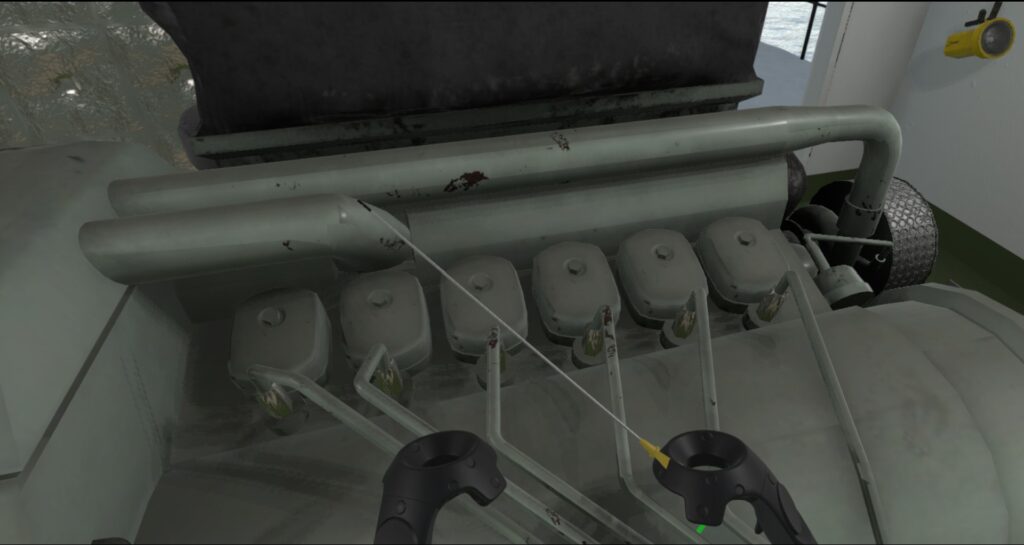
- Introduction to Emergency Generator
- Emergency generator routine maintenance
- Familiarization with equipment which get supply from emergency generator



Steering Gear
This Module put focus on SOLAS requirements regarding Steering Gear and practical Maintenance routine. The Module based on most repeated deficiencies recorded by PSC.
LEGISLATION & REFERENCES:
Requirements of the STCW Convention, Regulation 1/12. :
- Part B-VI/1 2.10.1
Reference to IMO Model Course :
- 3.09 Port State Control
- 7.01 Master and Chief Mate
- 7.02 Chief Engineer Officer and Second Engineer Officer
- 7.03 Officer in Charge of a Navigational Watch
- 7.04 Officer in Charge of an Engineering Watch
IACS Rules and SOLAS Convention, as amended
PSC deficiency data base
LEARNING OBJECTIVES:
- Rules and Regulations of Classification Society, SOLAS
- Location of The main components of the steering gear
- Operational tests
- Emergency Steering

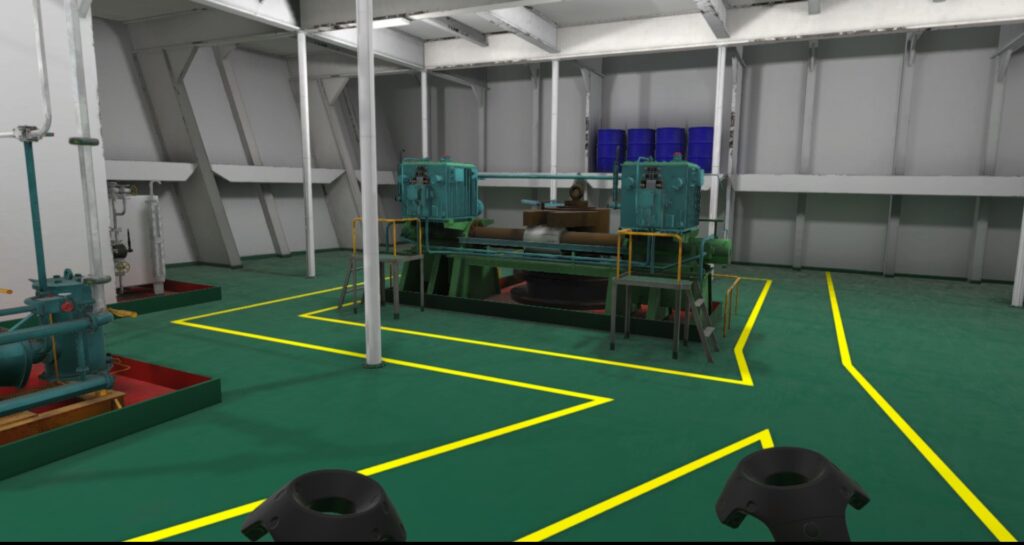


Fixed Deck Foam Fire Fighting System
This Module put focus on simulation of operation with Fixed Deck Foam Fire Fighting System . The Module includes most repeated deficiencies recorded by PSC.
LEGISLATION & REFERENCES:
Requirements of the STCW Convention, Regulation 1/12. :
- Part B-VI/1 2.10.1
Reference to IMO Model Course :
- 1.01 Training for Oil and Chemical Tanker Cargo Operations, 2014
- 1.02 Advanced Training for Oil Tanker Cargo Operations, 2015
- 1.03 Advanced Training for Chemical Tanker Cargo Operations, 2016
- 3.05 Survey of Fire Appliances and Provisions
- 3.09 Port State Control
- 7.01 Master and Chief Mate
- 7.02 Chief Engineer Officer and Second Engineer Officer
- 7.03 Officer in Charge of a Navigational Watch
- 7.04 Officer in Charge of an Engineering Watch
PSC deficiency data base
LEARNING OBJECTIVES:
- Rules and Regulations of Classification Society, SOLAS
- Fixed Deck Foam Fire Fighting System routine maintenance


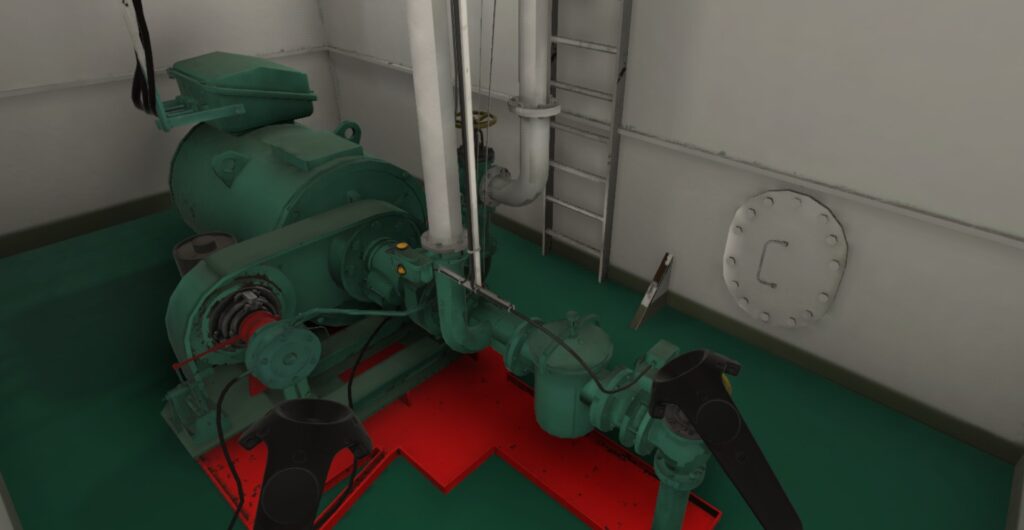
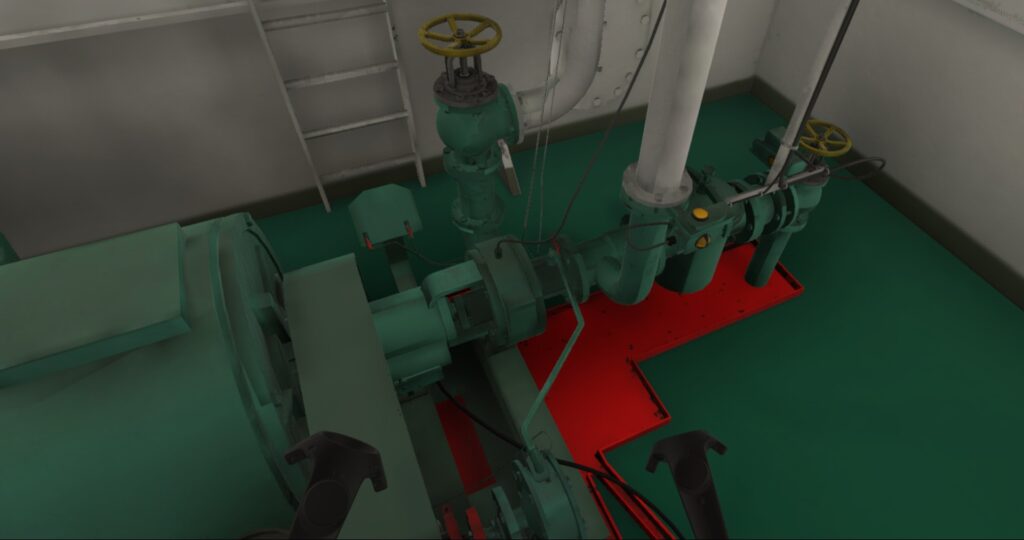
Emergency Fire Pump
This Module put focus on SOLAS requirements regarding emergency Fire Pump. The Module based on most repeated deficiencies recorded by PSC
LEGISLATION & REFERENCES:
Requirements of the STCW Convention, Regulation 1/12. :
- Part B-VI/1 2.10.1
Reference to IMO Model Course :
- 1.20 Fire Prevention and Fire Fighting, 2000
- 3.05 Survey of Fire Appliances and Provisions
- 3.09 Port State Control
- 7.01 Master and Chief Mate
- 7.02 Chief Engineer Officer and Second Engineer Officer
- 7.03 Officer in Charge of a Navigational Watch
- 7.04 Officer in Charge of an Engineering Watch
SOLAS Convention, as amended
PSC deficiency data base
LEARNING OBJECTIVES:
- Rules and Regulations of Classification Society, SOLAS
- Location of the main components of the Emergency Fire Pump
- Operational tests

Helicopter Operation
This Module is to provide necessary theoretical and practical knowledge to crew involved in Helicopter Operation on merchant vessel. The officers and crew members associated on scene for these operations should show high level of situational awareness and good seamanship.
LEGISLATION & REFERENCES:
Requirements of the STCW Convention, Regulation 1/12. :
- Table A-VI/2-1
- Table A-VI/4-2
Reference to IMO Model Course :
- 1.19 Proficiency in Personal Survival Techniques, 2019
- 7.01 Master and Chief Mate
- 7.03 Officer in Charge of a Navigational Watch
ICS Guide to Ship Helicopter Operations
SOLAS Convention, as amended
SIRE VIQ
LEARNING OBJECTIVES:
- Be familiar with Procedures
- Be familiar with best Safety precautions
- Choose correct Equipment
- Communication
- Know Roles and Responsibilities
- Follow Contingency planning


Wall Wash Test
This module is to provide necessary theoretical and practical knowledge to crew for successful demonstration competency of wall wash test (WWT) requirements and procedures.
LEGISLATION & REFERENCES:
Requirements of the STCW Convention, Regulation 1/12. :
- Table A-V/1-1-1
- Table A-V/1-1-3
Reference to IMO Model Course :
- 1.01 Training for Oil and Chemical Tanker Cargo Operations, 2014
- 1.03 Advanced Training for Chemical Tanker Cargo Operations, 2016
- 7.01 Master and Chief Mate
- 7.03 Officer in Charge of a Navigational Watch
LEARNING OBJECTIVES:
- Introduction and safety
- Be familiar with Wall Wash Test equipment
- Choose correct chemicals for WWT
- Be familiar Sample Collection Procedure
- Demonstrate Test for Presence of Hydrocarbon
- Demonstrate Test for Presence of Chlorides
- Demonstrate Permanganate Fade Time Test
- Demonstrate Acid Wash colour of Aromatic Hydrocarbons
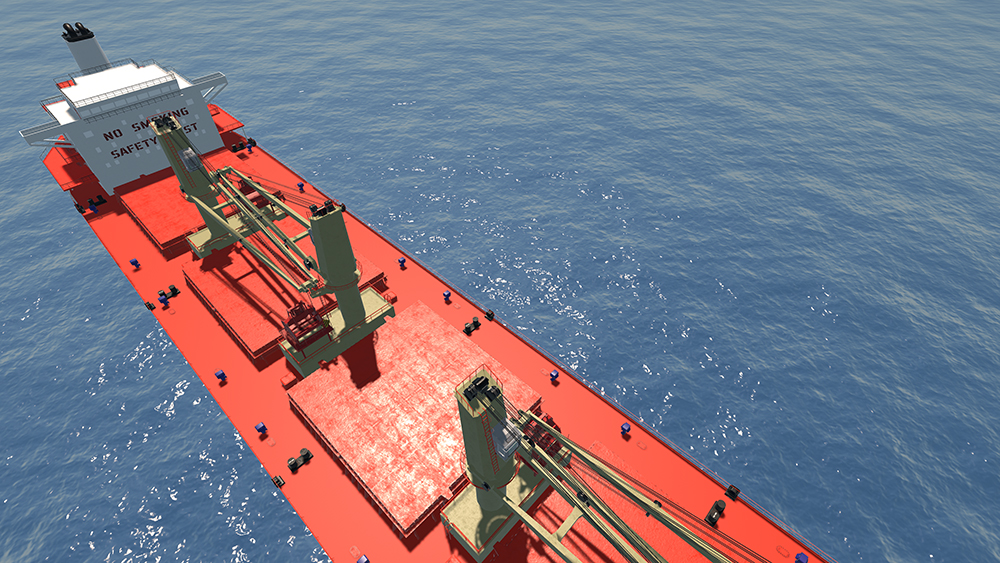
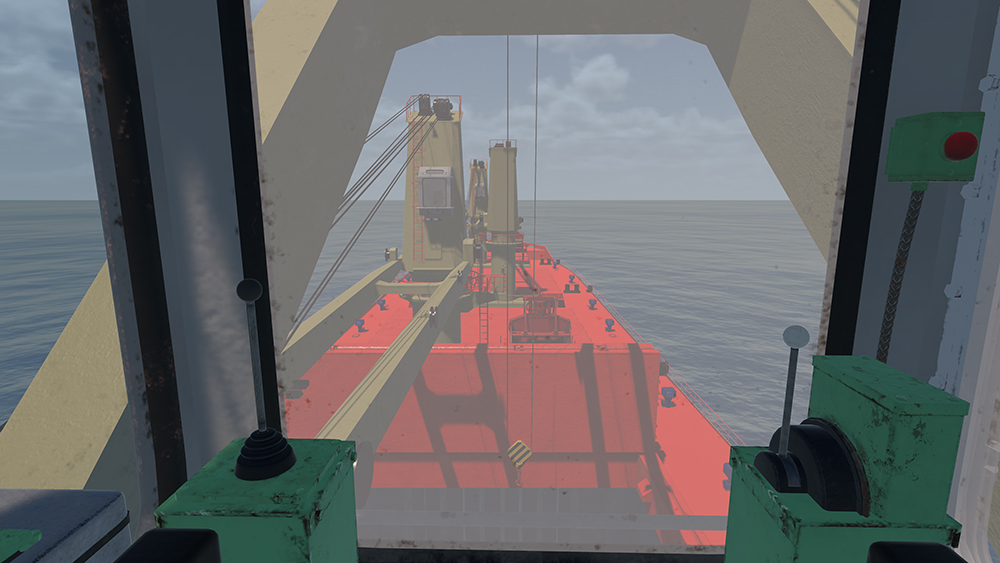
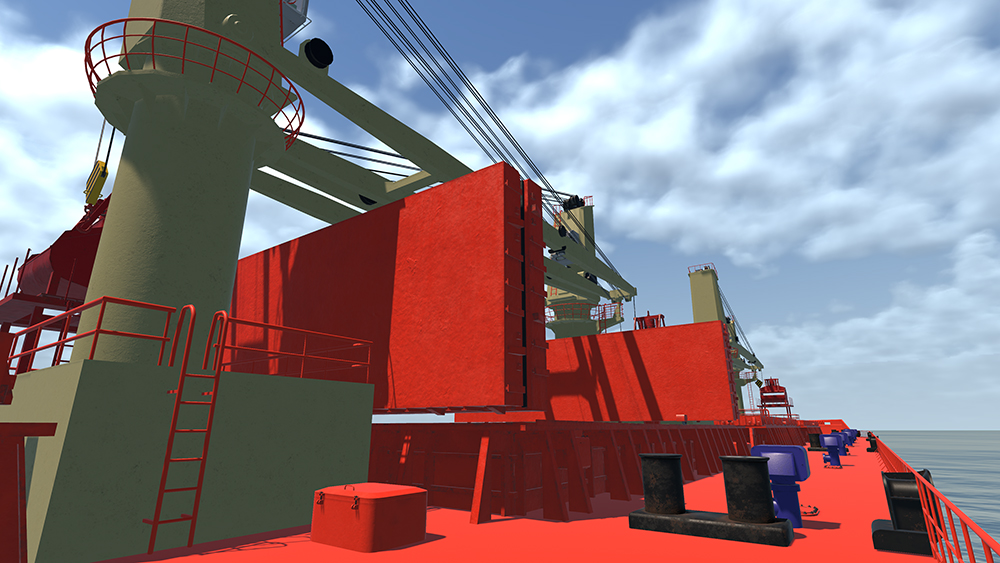
Crane Driver
This Module is to provide necessary theoretical and practical knowledge to crew involved with Cargo Crane Operation to perform tasks in a safely manner onboard of bulk carrier.
LEGISLATION & REFERENCES:
Requirements of the STCW Convention, Regulation 1/12. :
- Table A-II/5
- Part – B-I/12 73.6
Reference to IMO Model Course :
- 7.01 Master and Chief Mate
- 7.02 Chief Engineer Officer and Second Engineer Officer
- 7.03 Officer in Charge of a Navigational Watch
- 7.04 Officer in Charge of an Engineering Watch
LIFTING PLANT AND OPERATIONS (COSWP), MSA
CSS
LEARNING OBJECTIVES:
- Show knowledge in discard criteria for Crane wires
- Know weak points of Crane wires
- Know Crane Grab Maintenance Plan
- Demonstrate basic crane operation

Proficiency in Fast Rescue
Boats
This module is to provide necessary theoretical and practical knowledge to crew for successful demonstration competency to launch Fast Rescue Boat (FRB) from AHTS (Anchor Handling Tug / Supply).
LEGISLATION & REFERENCES:
Requirements of the STCW Convention, Regulation 1/12. :
- Table A-VI/2-2.1
- Table A-VI/2-2.2
- Table A-VI/2-2.3
- Table A-VI/2-2.4
- Table A-VI/2-2.5
Reference to IMO Model Course :
- 1.24 Proficiency in Fast Rescue Boats, 2000
- 7.01 Master and Chief Mate
- 7.03 Officer in Charge of a Navigational Watch
STCW Table VI-2.2
IMO Model Course: 1.24
LEARNING OBJECTIVES:
- Introduction and safety
- Launching arrangements
- Actions to take when aboard FRB
- MOB Drills in launching and recovering boats
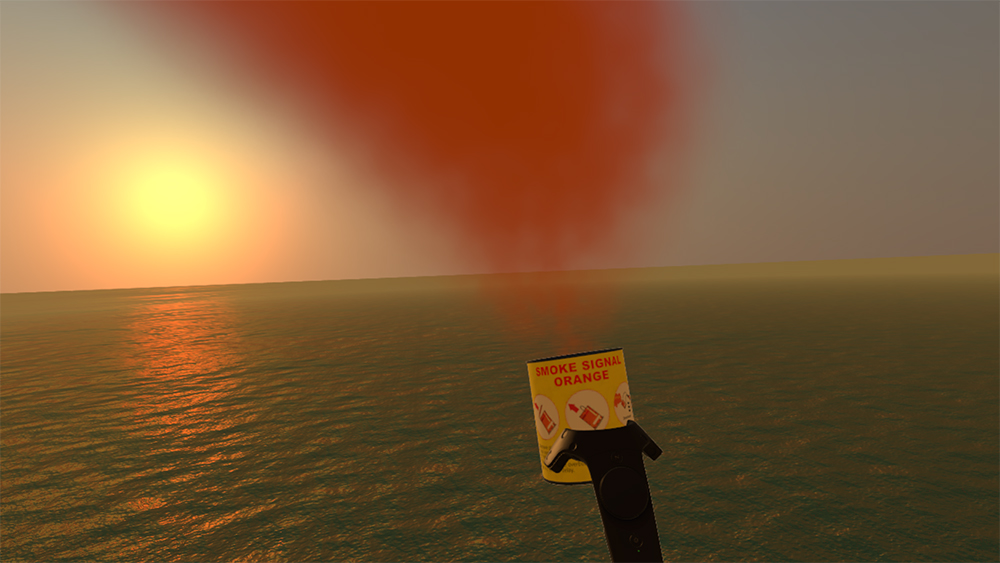
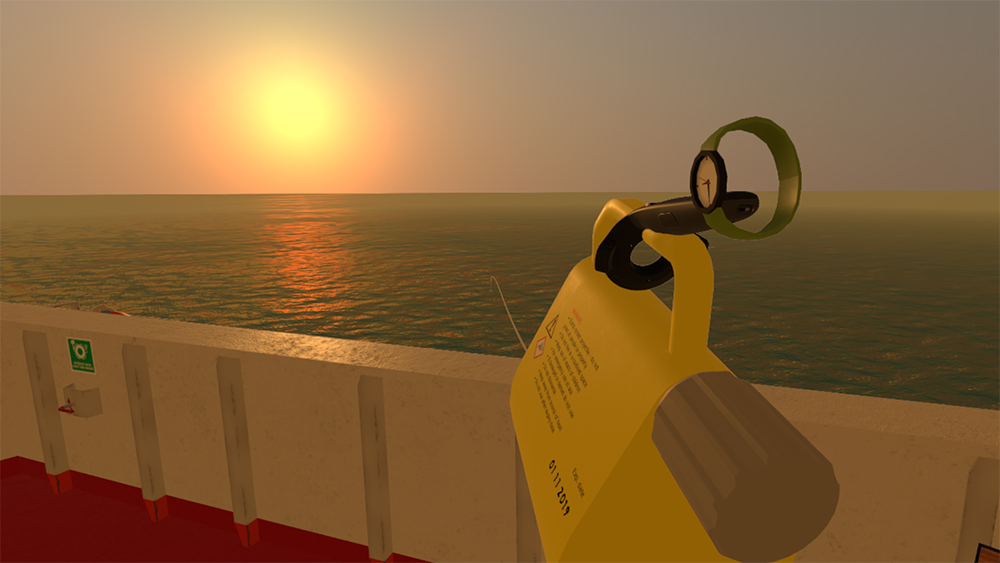
Maritime Distress Flares & Signals (Pyrotechnics)
This module provides practical instructions how to use and where to locate Hand Flares, Rocket Parachute Flares, Buoyant smoke signal, Line throwing appliance.
LEGISLATION & REFERENCES:
Requirements of the STCW Convention, Regulation 1/12. :
- Table A-II/1
- Table A-VI/2-2.1
Reference to IMO Model Course :
- 3.09 Port State Control
- 7.01 Master and Chief Mate
- 7.03 Officer in Charge of a Navigational Watch
- 7.04 Officer in Charge of an Engineering Watch
SOLAS Convention, as amended
SAR
COLREG
LEARNING OBJECTIVES:
- Maintenance and disposal criteria
- Signals
- Demonstrate PyroTechnics Practice


Vessel Structural Inspection
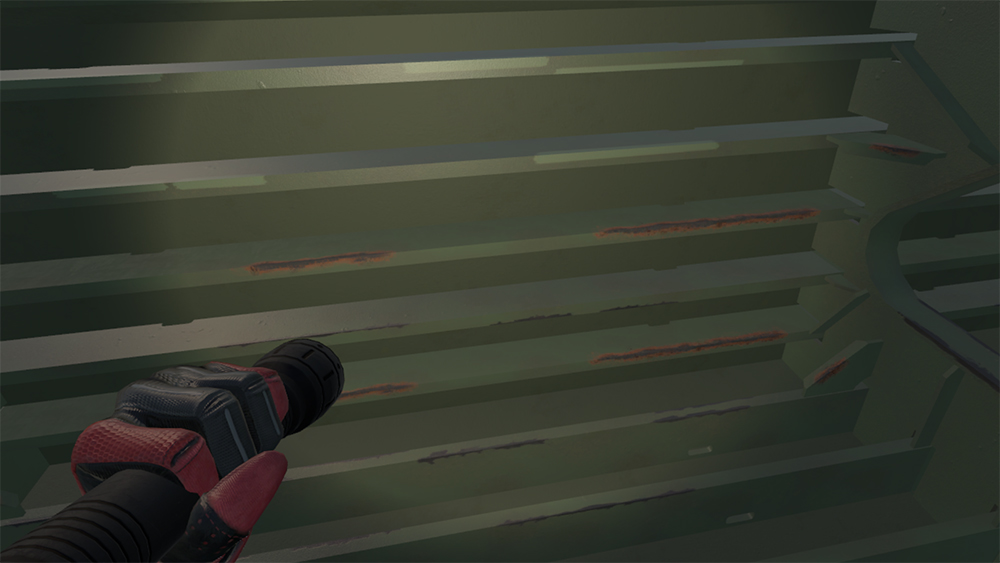
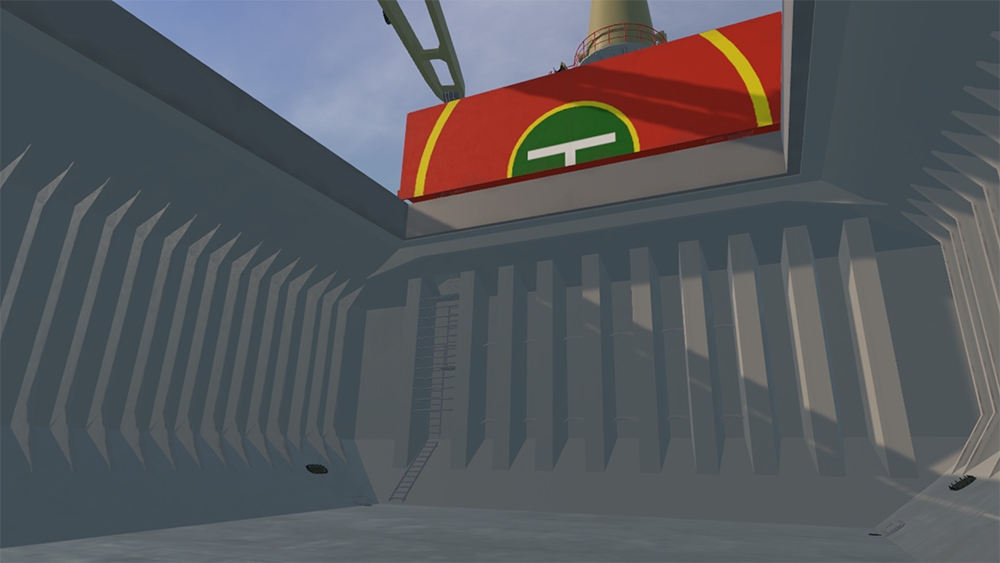
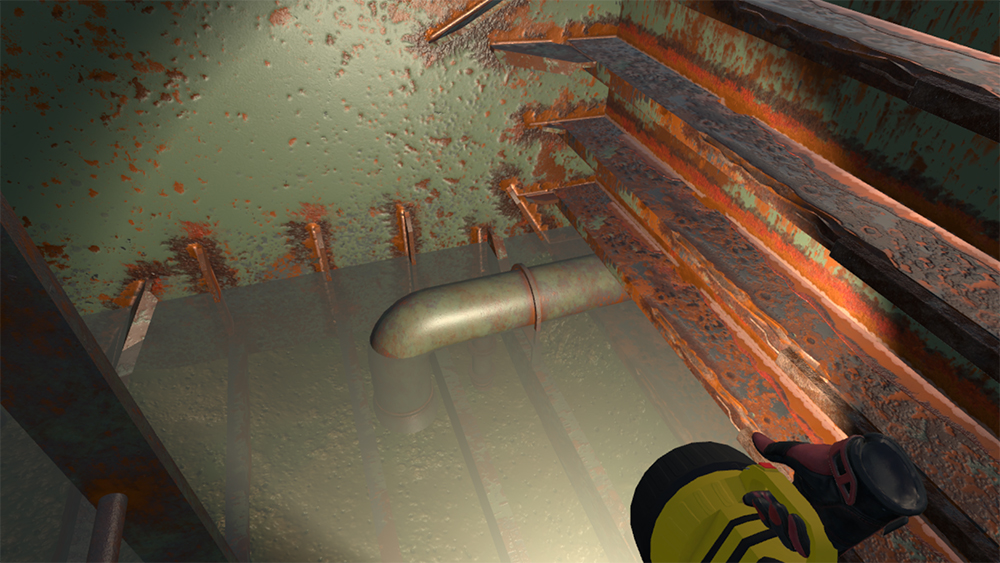
This module provides practical instructions that will guide officers on how to prepare for inspections, recognize structural and paint coating defects and know where they might be found.
LEGISLATION & REFERENCES:
Requirements of the STCW Convention, Regulation 1/12. :
- Table A-II/1
Reference to IMO Model Course :
- 3.07 Hull and Structural Surveys
- 3.09 Port State Control
- 7.01 Master and Chief Mate
- 7.02 Chief Engineer Officer and Second Engineer Officer
- 7.03 Officer in Charge of a Navigational Watch
- 7.04 Officer in Charge of an Engineering Watch
IACS Recommendation 87 Guidelines for Coating Maintenance and Repairs for Ballast Tanks and Combined Cargo/Ballast Tanks on Oil Tankers
LEARNING OBJECTIVES:
- Recognise Anatomy and critical areas of WBT
- Demonstrate how to Inspect Structural element of WBT
- Outline how to assess the condition of a WBT during an inspection
- Outline how to record findings during a WBT inspection

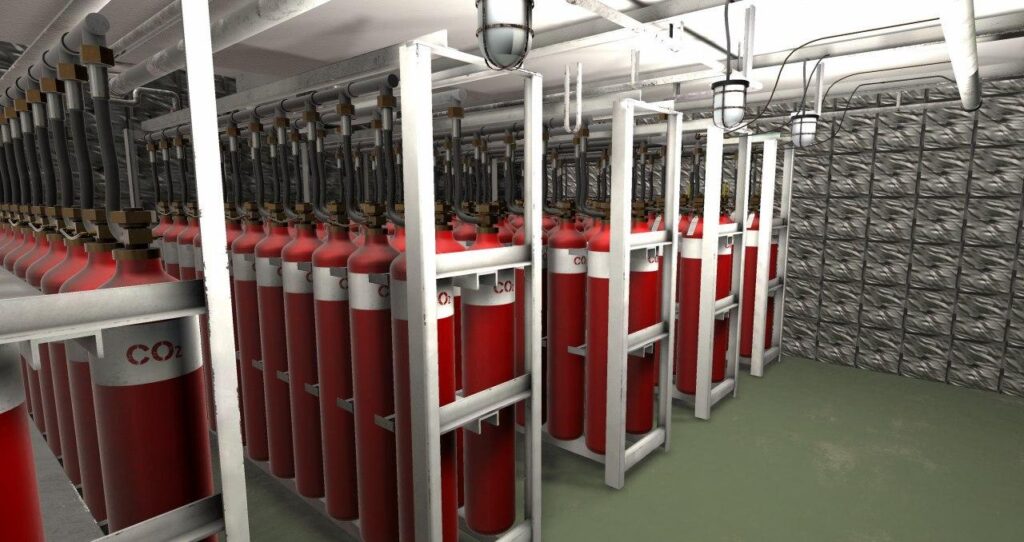
Engine Room Fixed CO² Fire Fighting System
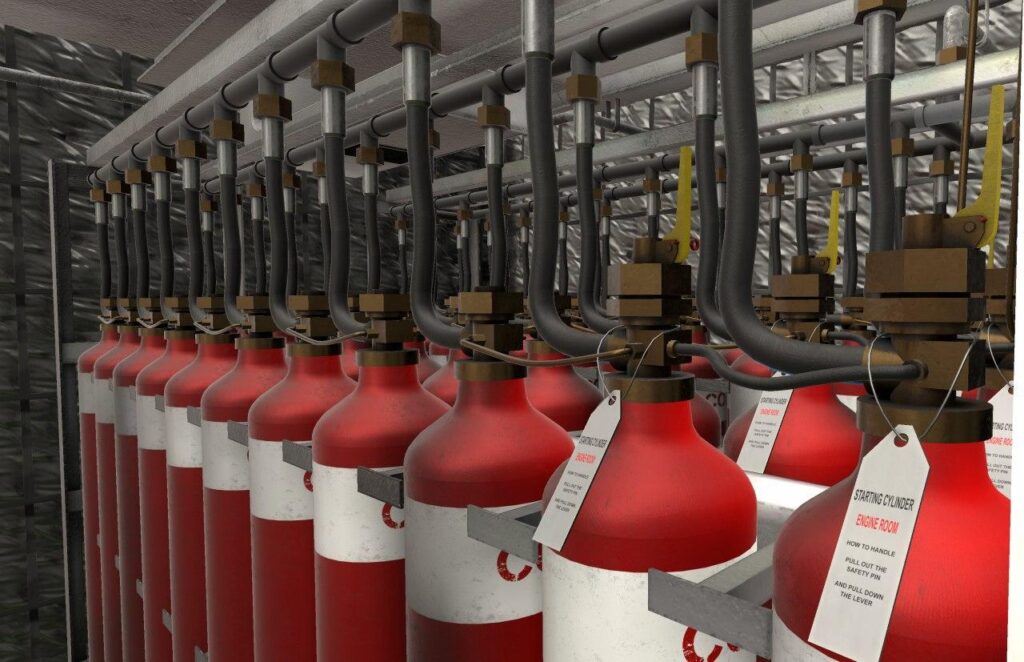
This Module put focus on simulation of operation with FIXED CO2 FIRE-FIGHTING SYSTEM. The Module includes most repeated deficiencies recorded by PSC
LEGISLATION & REFERENCES:
Requirements of the STCW Convention, Regulation 1/12. :
- Part B-VI/1 2.10.1
Reference to IMO Model Course :
- 1.20 Fire Prevention and Fire Fighting, 2000
- 3.05 Survey of Fire Appliances and Provisions
- 3.09 Port State Control
- 7.01 Master and Chief Mate
- 7.02 Chief Engineer Officer and Second Engineer Officer
- 7.03 Officer in Charge of a Navigational Watch
- 7.04 Officer in Charge of an Engineering Watch
SOLAS Convention, as amended
PSC deficiency database
LEARNING OBJECTIVES:
- Requirements / regulations for FIXED CO2 FIRE-FIGHTING SYSTEM
- FIXED CO2 FIRE-FIGHTING SYSTEM routine maintenance troubleshooting
- Practice in Flooding operation


Safety Mooring
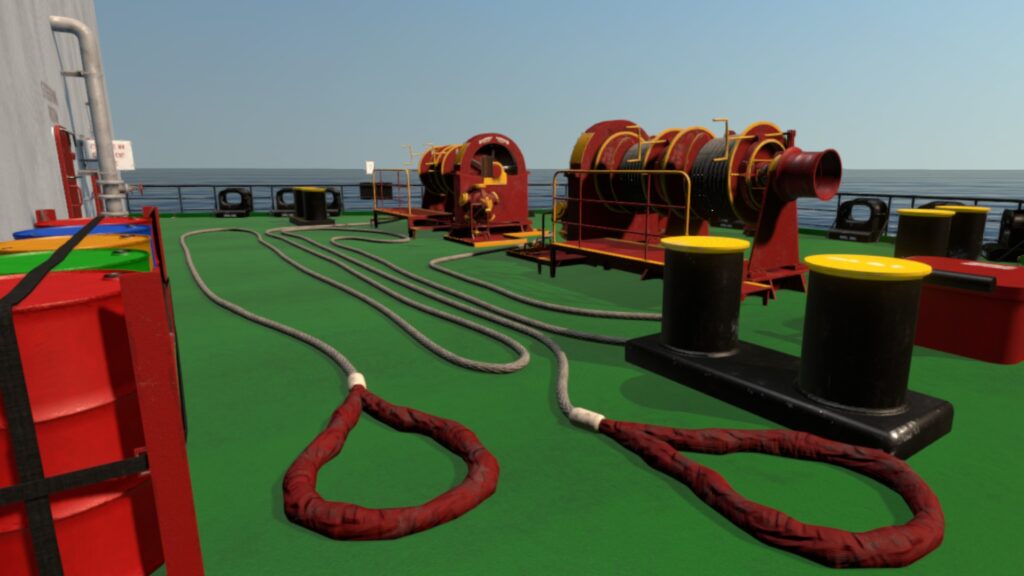
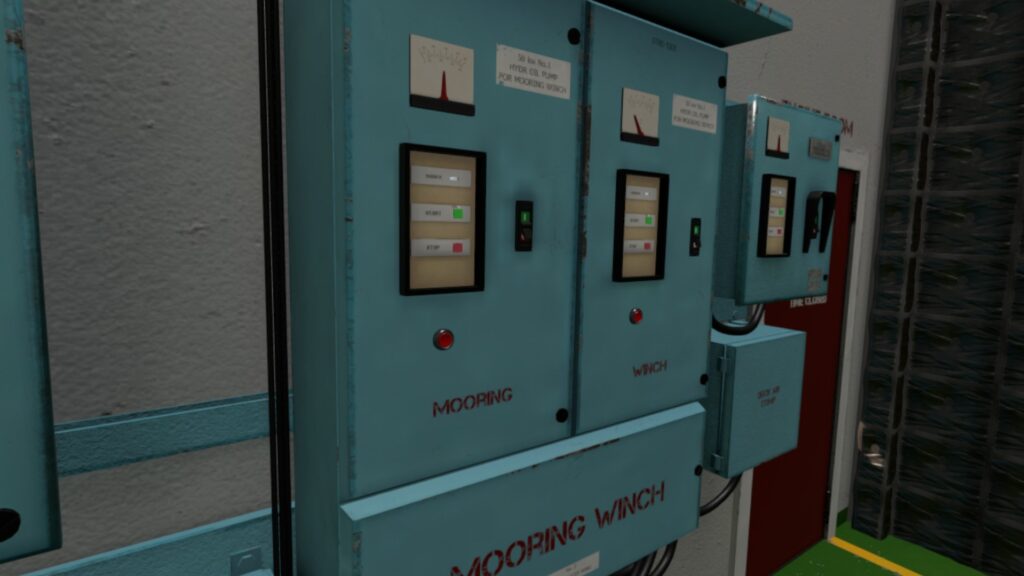
This module provides practical instructions on good seamanship practice for securing a mooring lines, snap back zones, identification of the hazards and associated risks.
LEGISLATION & REFERENCES:
Requirements of the STCW Convention, Regulation 1/12. :
- Part A-VIII/2
Reference to IMO Model Course :
- 7.01 Master and Chief Mate
- 7.03 Officer in Charge of a Navigational Watch
OCIMF MEG4
COSWP various parts
ILO Code of Practice on “Accident Prevention on Board Ship at Sea and in Port
LEARNING OBJECTIVES
- Identify good seamanship practice for securing a mooring line
- Identify the hazards and associated risks that can be present during mooring operations
- Show knowledge in discard criteria for Mooring Lines
- Understand Snap Back Zones
- Know Key elements of Mooring Winches Maintenance Plan


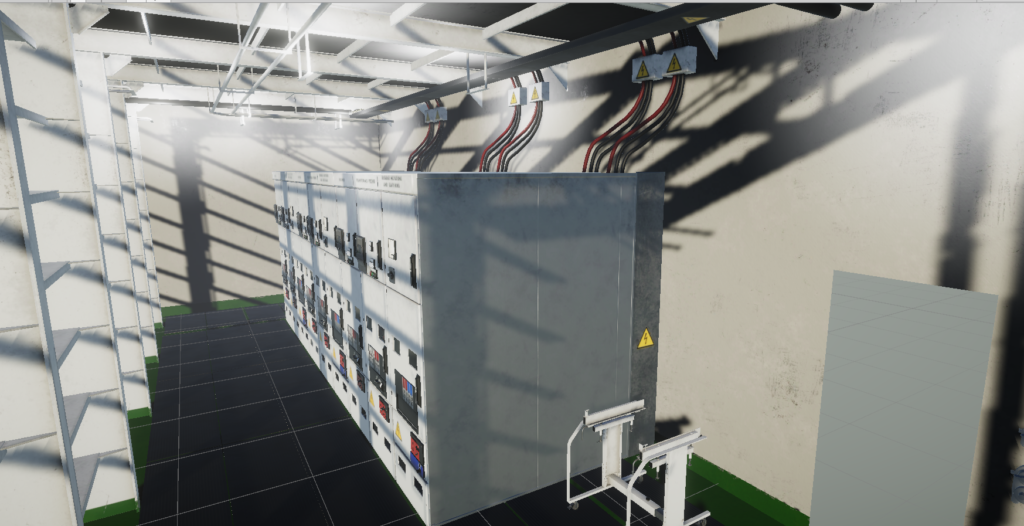
High Voltage
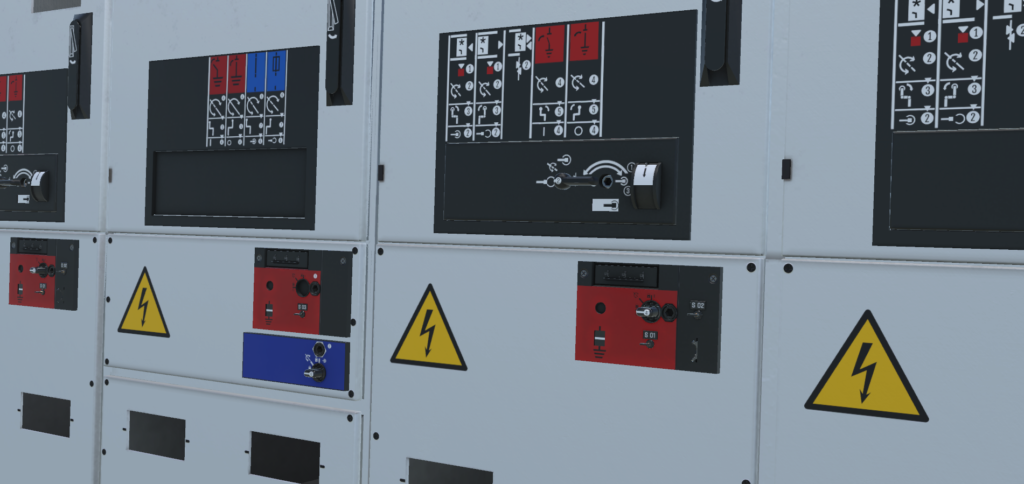
STCW 2010 recognises the increasing use of high voltage (HV) electricity on ships with new requirements for all engineer and electrical officers to be familiar with HV. Part B of the STCW Code makes recommendations for the training of personnel having management responsibilities for the operation and safety of HV electrical equipment, as this needs tighter control than for LV. This e-learning module covers the topics in STCW B-III/2.
LEGISLATION & REFERENCES:
Requirements of the STCW Convention, Regulation 1/12. :
- Table A-III/2
- Table A-III/3
- Part B-III/2
Reference to IMO Model Course :
- 7.02 Chief Engineer Officer and Second Engineer Officer
- 7.04 Officer in Charge of an Engineering Watch
- 7.08 Electro-Technical Engineer
LEARNING OBJECTIVES:
- High Voltage systems and equipment
- Safe operation of High Voltage
- Fault finding on a High Voltage system


Enclosed Space Entry
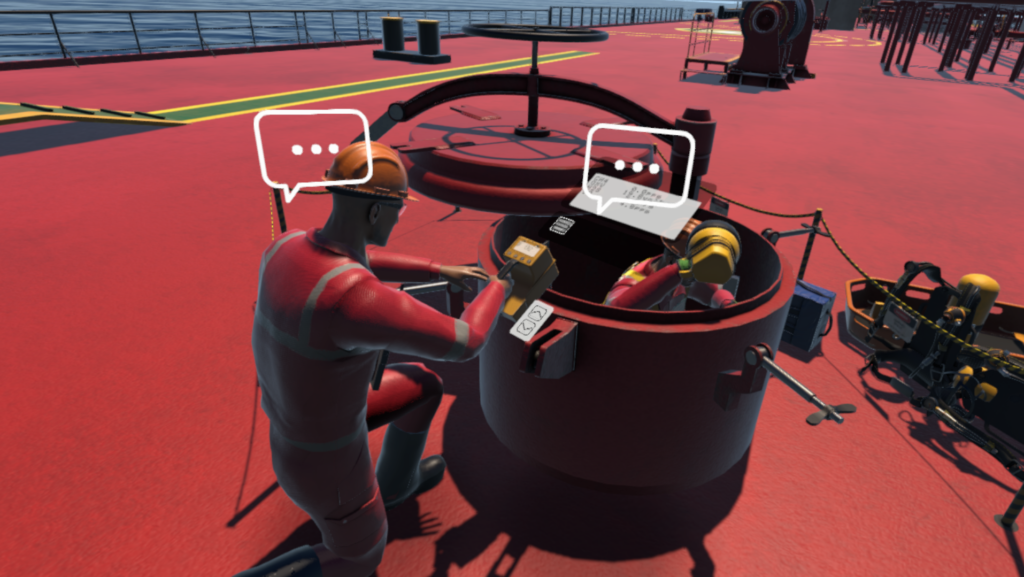
VR Training which covers entry into an enclosed space, precautions whilst in an enclosed space, and procedures for an emergency in an enclosed space. We identify the procedures which need to be followed while working in an enclosed space, identify the hazards and the procedures for entering an enclosed space.
LEGISLATION & REFERENCES:
Requirements of the STCW Convention, Regulation 1/12. :
- Table A-V/1-1-2
- Table A-VI/1-2
- Part A-VIII/2
- Part B-V/b
- Part B-V/c
- Part B-VI/1
Reference to IMO Model Course :
- 1.19 Proficiency in Personal Survival Techniques, 2019
- 7.01 Master and Chief Mate
- 7.02 Chief Engineer Officer and Second Engineer Officer
- 7.03 Officer in Charge of a Navigational Watch
- 7.04 Officer in Charge of an Engineering Watch
COSWP Ch15
ILO Code of Practice on “Accident Prevention on Board Ship at Sea and in Port”.
IMO Resolution A.1050(27).
ISGOTT CH10 + refs in chapters 2, 7 and 14
LEARNING OBJECTIVES:
- Describe the procedures to be followed while personnel are working in an enclosed space
- Identify the role of personnel at the entrance to an enclosed space
- Describe typical communication arrangements while personnel are working in an enclosed space
- Identify other possible problems when working in an enclosed space and the procedures necessary to manage them
- Identify the limitations of an Enclosed Space Entry permit Identify the hazards associated with enclosed spaces
- List the preparations to be made, and procedures to be followed, before entry to an enclosed space
- List the personal protective equipment required for entry into an enclosed space
- Identify the entries to be made on an Enclosed Space Entry permit some instrument types are unsuitable for certain situations.


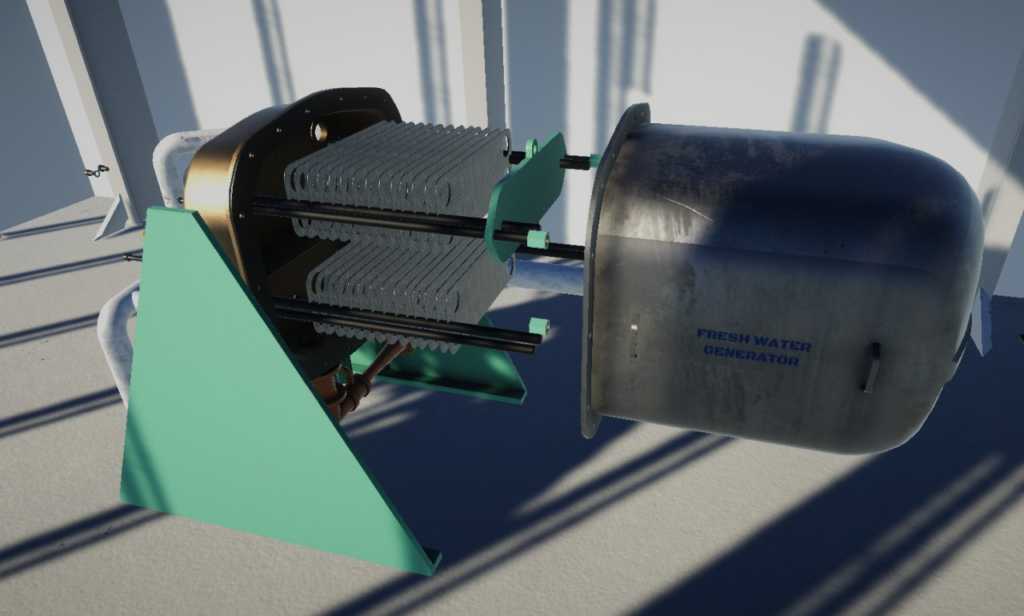
Familiarization With Fresh Water Generator
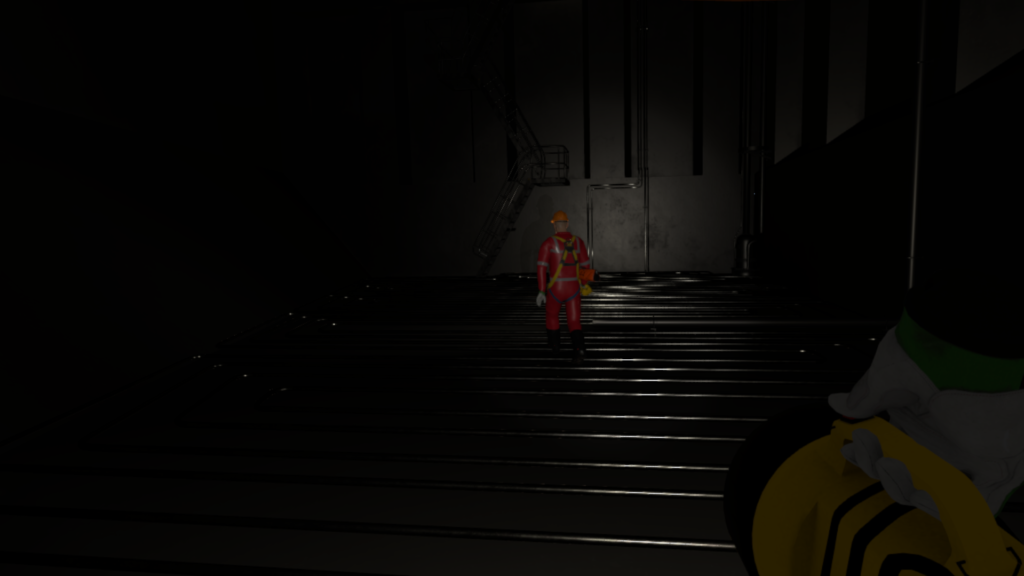
VR Training delivers the working principles of a typical fresh water generator, this course identifies the most important parts, starting and stopping procedures and the basic operating problems that often need troubleshooting.
LEGISLATION & REFERENCES:
Requirements of the STCW Convention, Regulation 1/12. :
- Part A-III/1
Reference to IMO Model Course :
- 7.02 Chief Engineer Officer and Second Engineer Officer
- 7.04 Officer in Charge of an Engineering Watch
Marine Engineering
LEARNING OBJECTIVES:
- General introduction to the working principles and parts
- Starting procedure
- Stopping procedure
- Simulations
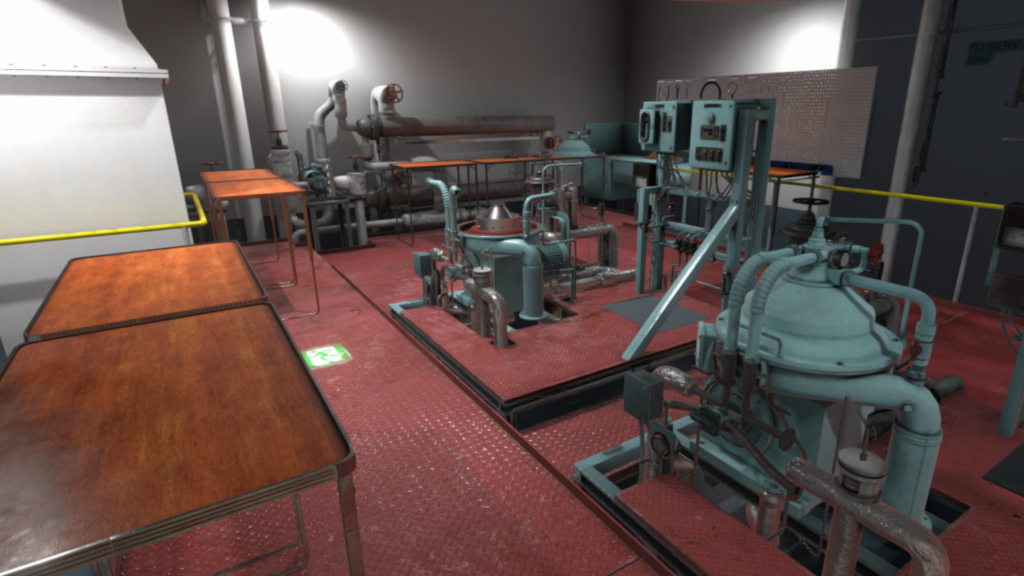
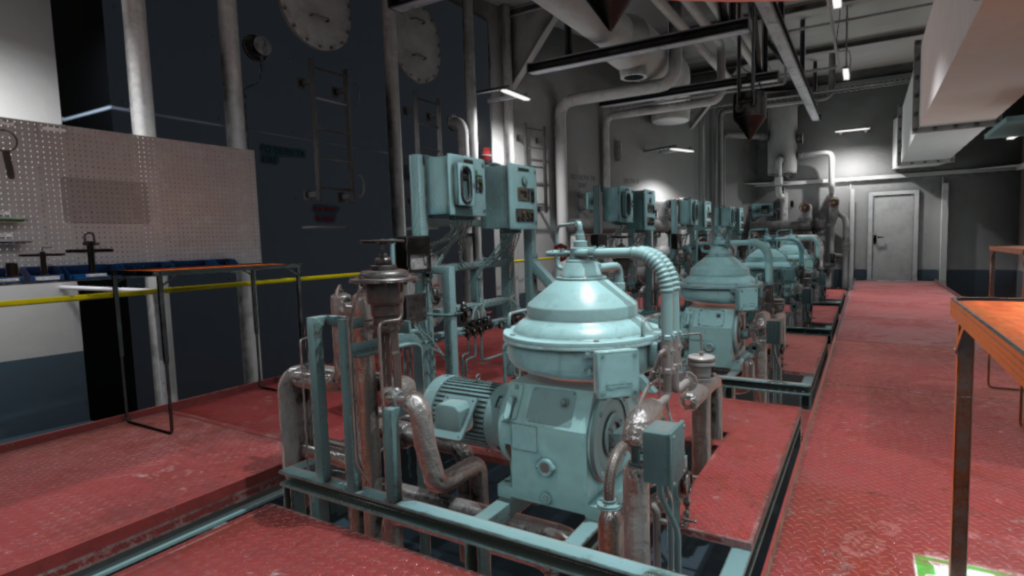
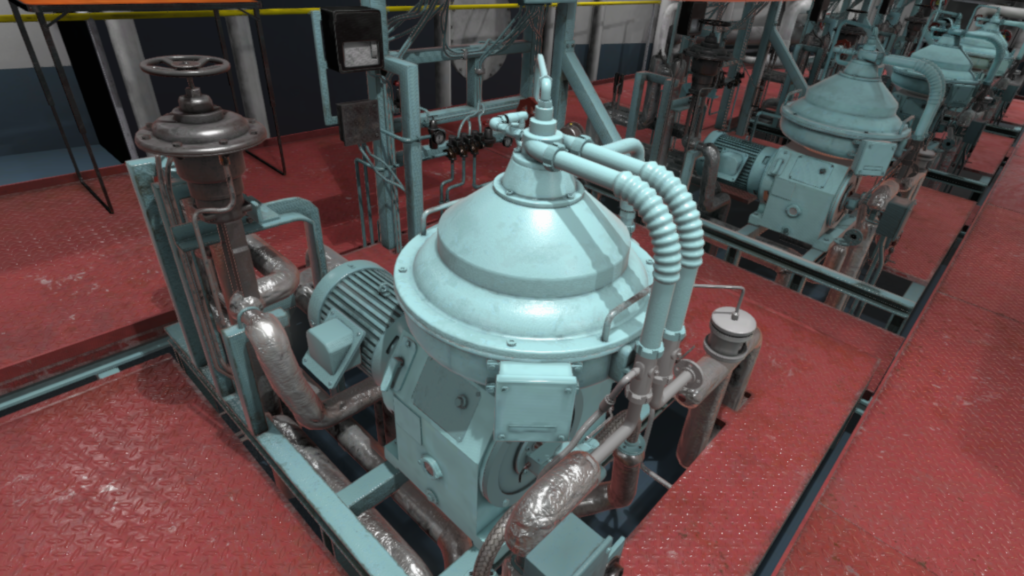
Familiarization With HFO Purifier
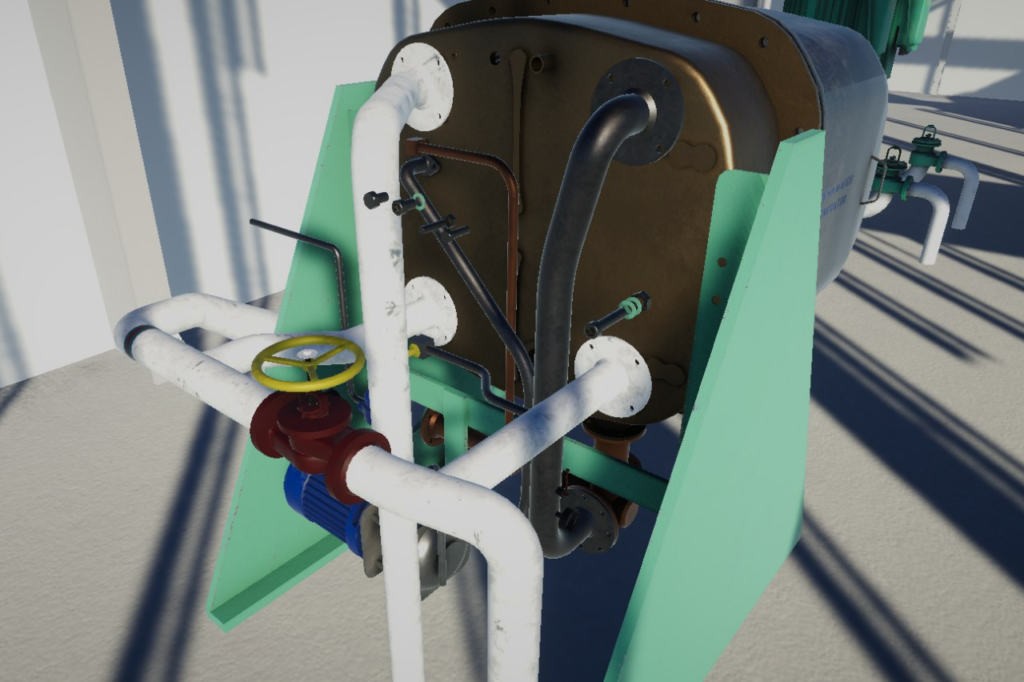
Essential components in main and auxiliary machinery can be damaged. The most common reason for such breakdowns is poor purification and absence of correct treatment of the fuel and lubricating oils. VR Training Programme is designed to increase the awareness as to how to maintain a purifier in good working order.
LEGISLATION & REFERENCES:
Requirements of the STCW Convention, Regulation 1/12. :
- Part A-III/1
Reference to IMO Model Course :
- 7.02 Chief Engineer Officer and Second Engineer Officer
- 7.04 Officer in Charge of an Engineering Watch
Maintenance & Repair
LEARNING OBJECTIVES:
- Sedimentation and basic separation principles
- The interface
- Purifier, bowls and paring discs
- Conventional separation systems
- Simulations
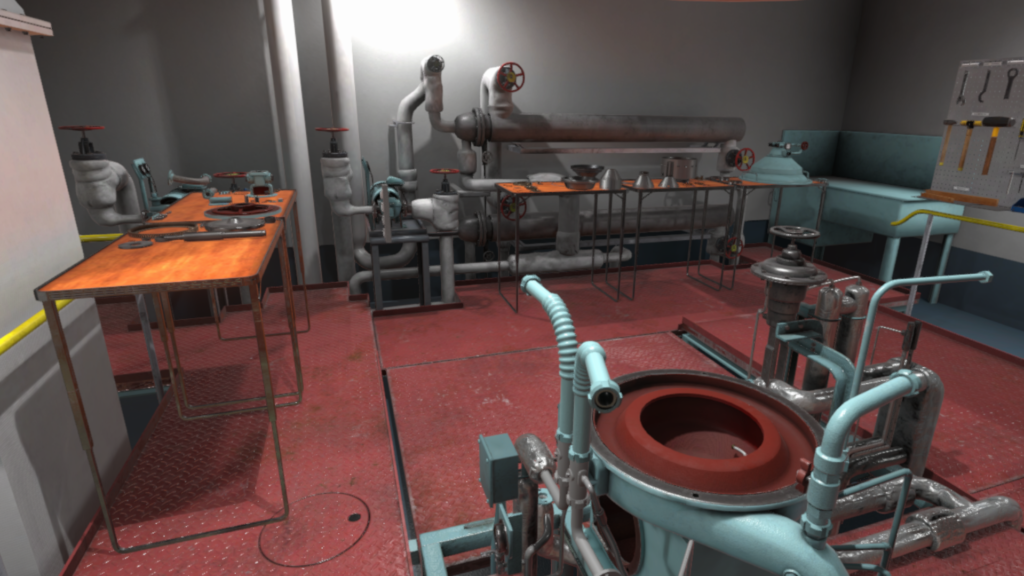
Gas Measurement / Gas Instruments
This module covers the use and maintenance of portable and personal Gas Measurement Instruments
LEGISLATION & REFERENCES:
Requirements of the STCW Convention, Regulation 1/12. :
- Table A-V/1-1-1
- Table A-V/1-1-3
- Table A-V/1-1-2
- Table A-V/1-2-1
- Table A-V/1-2-2
Reference to IMO Model Course :
- 7.01 Master and Chief Mate
- 7.02 Chief Engineer Officer and Second Engineer Officer
- 7.03 Officer in Charge of a Navigational Watch
- 7.04 Officer in Charge of an Engineering Watch
- 1.01 Training for Oil and Chemical Tanker Cargo Operations, 2014
- 1.02 Advanced Training for Oil Tanker Cargo Operations, 2015
- 1.03 Advanced Training for Chemical Tanker Cargo Operations
SOLAS Convention, as amended
ISGOTT
LEARNING OBJECTIVES:
- Identify the handling and storage arrangements required for portable gas measuring instruments
- Recognise the requirements for obtaining a representative atmosphere sample
- Identify how to use and calibrate portable gas measuring instruments on board ship
- Recognise the principle of operation of common oxygen, hydrocarbon gas and toxic gas measuring instruments
- Recognise the limitations of some gas measuring instruments, and that some instrument types are unsuitable for certain situations
- Know Key elements of Mooring Winches Maintenance Plan


MOORING WINCH BRAKE SYSTEM TESTS
Legislation & references:
• Requirements of the STCW Convention, Regulation 1/12. :
Part A-VIII/2
• Reference to IMO Model Course :
7.01 Master and Chief Mate
7.03 Officer in Charge of a Navigational Watch
• OCIMF MEG4
• COSWP various parts
• ILO Code of Practice on “Accident Prevention on Board Ship at Sea and in Port
OVERHEAD CRANE MAINTENANCE AND EQUIPMENT TEST
Legislation & references:
• Requirements of the STCW Convention, Regulation 1/12. :
Table A-II/5
Part – B-I/12 73.6
• Reference to IMO Model Course :
7.01 Master and Chief Mate
7.02 Chief Engineer Officer and Second Engineer Officer
7.03 Officer in Charge of a Navigational Watch
7.04 Officer in Charge of an Engineering Watch
• LIFTING PLANT AND OPERATIONS (COSWP), MSA
• CSS
3DBT simulators
Container Loading Simulator
Legislation & references
• SOLAS (VI & VII)
• CSC
• CSS
• IMDG Code
• IMO – Safe transport of containers
Oil Record Book, Part I Simulator
Legislation & references
• MARPOL An. I Reg. 17
• MEPC.1/Circ.736/Rev.2
Oil Record Book, Part II Simulator
Legislation & references
• MARPOL An. I Reg. 17
• MEPC.1/Circ.736/Rev.2
Radar Simulator
Legislation & references:
• STCW as ammended A-II/2, A-II/3
• IMO Model Course 1.07
• IMO, Radar Observers Handbook
LPG/LNG Tanker Cargo and Ballast Handling Simulator
This simulator is under Instructor control, w/o student amount limitation. Optimized for weak
vessel internet so can be used for training onboard involving different vessels simultaneously.
Legislation & References:
Requirements of the STCW Convention, Regulation V/1-2, I/12:
• Table A-V/1-2-1: Specification of minimum standard of competence for LPG tanker operations.
Reference to IMO Model Course:
• 1.35 LPG Tanker Cargo and Ballast Handling Simulator.
• 1.36 LNG Tanker Cargo and Ballast Handling Simulator.
• 7.01 Master and Chief Mate.
• 7.02 Chief Engineer Officer and Second Engineer Officer.
• 7.03 Officer in Charge of a Navigational Watch.
• 7.04 Officer in Charge of an Engineering Watch.
• SOLAS (II-2)
List Of Available
Computer-Based Trainings
Accident Investigation & Root Cause Analysis
Legislation & references
• IMO Resolution A.849(20) Code for the Investigation of Marine Casualties and Incidents
• IMO MSC-MEPC.3 Circ.2 Code of the International Standards and Recommended Practices for a Safety Investigation into a Marine Casualty or Marine Incident
• ILO MLC 2006 Guideline B4.3.6. – Investigations; Regulation 5.1.6 – Marine casualties
ARPA theory
Legislation & references:
• STCW as amended, A-II/1, A-II/2 and B-I/12
• IMO model courses 1.07 and 1.08
• COLREG
Ballast Water Management Awareness
Legislation & references:
• International convention for the control and management of ship’s ballast water and sediments.
• The course complies with DNVGL-ST-0008 Learning Programmes.
Conflict Management
Legislation & References
• STCW (as amended), A‑VI/1‑4 — Personal Safety and Social Responsibilities
Cyber Security
Legislation & references:
• IMO MSC.1/Circ.1526 Guidelines on Maritime Cyber Risk Management
• “”The guidelines on cyber security onboard ships”” (BIMCO)
• OCIMF VIQ, TMSA
Deck Crane Operator
Legislation & references:
• Requirements of the STCW Convention, Regulation 1/12.: Table A-II/5, Part – B-I/12 73.6
• Reference to IMO Model Course: 7.01, 7.02, 7.03, 7.04
• LIFTING PLANT AND OPERATIONS (COSWP), MSA
• CSS
Enclosed space entry, Hazard awareness and preparations for entry
Legislation & references:
• STCW A-VI/1-4 + relevant parts of A-II/5, A-III/5 and A-III/7 + A-II/1, A-II/2, A-II/3, A-III/1, A-III/2, A-III/4 and A-III/6
• COSWP Ch15
• ILO Code of Practice on “Accident Prevention on Board Ship at Sea and in Port” ch10.
• IMO Resolution A.1050(27).
• ISGOTT CH10 + refs in chs 2, 7 and 14
Enclosed space entry, The entry operation
Legislation & references
• STCW A-VI/1-4 + relevant parts of A-II/5, A-III/5 and A-III/7 + A-II/1, A-II/2, A-II/3, A-III/1, A-III/2, A-III/4 and A-III/6
• COSWP Ch15
• ILO Code of Practice on “Accident Prevention on Board Ship at Sea and in Port” ch10.
• IMO Resolution A.1050(27).
• ISGOTT CH10 + refs in chs 2, 7 and 14
• Merchant Shipping (Entry into Dangerous Spaces) Regulations 1988 (SI 1988 No. 1638).
Fresh Water Generator
Legislation & references
• STCW as amended – Marine Engineering
Galley Operations: Hygiene
• The module supports the MLC2006
HAZMAT
Legislation & references
• IMDG Code 2018
• United States Title 49 Code of Federal Regulations 172.704 HAZMAT training requirements
• Section B-V/b Guidance regarding training of officers and ratings responsible for cargo handling on ships carrying dangerous and hazardous substances in solid form in bulk
HAZMAT Advanced
Legislation & references
• IMDG Code 2018
• United States Title 49 Code of Federal Regulations 172.704 HAZMAT training requirements
• Section B-V/b Guidance regarding training of officers and ratings responsible for cargo handling on ships carrying dangerous and hazardous substances in solid form in bulk
Human Relations, Social Responsibilities
Legislation & references
• STCW as amended A-VI/1-4 Specification of minimum standard of competence in personal Safety and social responsibilities.
Hydrogen Sulphide Awareness
Legislation & references
• STCW as amended
• ISM Code
Introduction to MARPOL
Legislation & references
• MARPOL 73/78
Marine Fuel Handling
Legislation & references
• STCW as amended – Marine Engineering
• Controlling the operation of the ship and care for persons on board
Legislation & references
• IMO Resolution A1024(26) Guidelines for ships operating in Polar waters
• STCW (Manila) Chapter V Section B-V/g Guidance regarding the training of masters and officers for ships operating in Polar waters
• The International Code for Ships Operating in Polar Waters, (the ‘Polar Code‘), will be mandatory for vessels possibly from 1/1/17
• MCS Circular 1056, Guidelines for Ships Operating in Arctic Ice-Covered Waters
• IMO Assembly in November 2007 adopted resolution A.999(25) Guidelines on voyage planning for passenger ships operating in remote areas
Legislation & references
• IMO Resolution A1024(26) Guidelines for ships operating in Polar waters
• STCW (Manila) Chapter V Section B-V/g Guidance regarding training of masters and officers for ships operating in Polar waters
• The International Code for Ships Operating in Polar Waters, (the ‘Polar Code‘), will be mandatory for vessels possibly from the 1/1/17
• MCS Circular 1056, Guidelines for Ships Operating in Arctic Ice-Covered Waters
• IMO Assembly in November 2007 adopted resolution A.999(25) Guidelines on voyage planning for passenger ships operating in remote areas
OPA 90
Legislation & References:
• STCW as amended
• OPA 90
Oily (Bilge) Water Separator
Legislation & References:
• MARPOL MEPC.1-Circ.642
• MARPOL MEPC.1-Circ.736-Rev.2
• MARPOL MEPC.1-Circ.778-Rev.2
• MARPOL MEPC.107(49)
Operations in Cold weather
Legislation & References
• Polar Code – International Code for Ships Operating in Polar Waters
• STCW Code
• IMO Resolution A1024(26) Guidelines for ships operating in Polar waters
Personal Safety
Legislation & references
• STCW as amended
Personal Survival Craft
Legislation & references
• STCW as amended A-VI/1-1 Competence in personal survival techniques.
Piracy and Armed robbery
Legislation & references
• Guidelines for Owners, Operators and Masters for protection against piracy and armed robbery in the Gulf of Guinea region (Version 3, June 2018)
• Global Counter Piracy Guidance for Companies, Masters and Seafarers
• BMP5 – Industry Best Management Practices to deter Piracy in the Red Sea, Gulf of Aden, Indian Ocean and Arabian sea – version 5.
Radar observation and plotting
Legislation & references
• STCW as ammended A-II/2, A-II/3
• IMO Model Course 1.07
• IMO, Radar Observers Handbook
Risk assessment and management
Legislation & references
• STCW as amended
Ship Safety Officer
Legislation & references
• Chapter 13 of The Code of Safe Working Practices for Merchant Seafarers
• The relevant parts of IMO Model Course 3.11
• UK Statutory Instrument 1997/2962 and UK MNTB Guidelines
Ship Security Awareness
Legislation & references
• SOLAS
• ISPS Code
• IMO Model Course 3.19, 3.26 and 3.27
Ship Security Officer
Legislation & references
• STCW as amended
• ISPS code
• SOLAS
• IMO Model course 3.19
Steering Gear
Legislation & references
• STCW as amended A-II / A-III
Tanker Operation (Basic)
Legislation & references
• STCW as amended
• OPA90
• ISPS Code
• MARPOL 73/78 as amended
• ISGOTT
• SOLAS
Tanker Operation (Advanced)
Legislation & references
• STCW as amended
• OPA90
• ISPS Code
• MARPOL 73/78 as amended
• ISGOTT
• SOLAS
Transfer of Personnel by Crane: Officer in Charge
Legislation & references
• OCIMF publication – ‘Transfer of Personnel by Crane between Vessels’
• Code of Safe Working Practices for Merchant Seamen (CoSWP), Consolidated Edition, 2009
• HSE offshore information sheet no/2007 – Guidance on procedures for the transfer of personnel by carriersMarine Transfer Forum publication – ‘Offshore Personnel Transfer by Crane’
• Guidance on the Transfer of Personnel to and from Offshore Vessels, IMCA (International Marine Contractors Association).
Transfer of Personnel by Crane: Person to be Transferred
Legislation & references
• OCIMF publication – ‘Transfer of Personnel by Crane between Vessels’
• Code of Safe Working Practices for Merchant Seamen (CoSWP), Consolidated Edition, 2009
• HSE offshore information sheet no/2007 – Guidance on procedures for the transfer of personnel by carriersMarine Transfer Forum publication – ‘Offshore Personnel Transfer by Crane’
• Guidance on the Transfer of Personnel to and from Offshore Vessels, IMCA (International Marine Contractors Association).
Transfer of Personnel by Crane: Crane Operator
Legislation & references
• OCIMF publication – ‘Transfer of Personnel by Crane between Vessels’
• Code of Safe Working Practices for Merchant Seamen (CoSWP), Consolidated Edition, 2009
• HSE offshore information sheet no/2007 – Guidance on procedures for the transfer of personnel by carriersMarine Transfer Forum publication – ‘Offshore Personnel Transfer by Crane’
• Guidance on the Transfer of Personnel to and from Offshore Vessels, IMCA (International Marine Contractors Association).
Transfer of Personnel by Crane: Signaller
Legislation & references
• OCIMF publication – ‘Transfer of Personnel by Crane between Vessels’
• Code of Safe Working Practices for Merchant Seamen (CoSWP), Consolidated Edition, 2009
• HSE offshore information sheet no/2007 – Guidance on procedures for the transfer of personnel by carriersMarine Transfer Forum publication – ‘Offshore Personnel Transfer by Crane’
• Guidance on the Transfer of Personnel to and from Offshore Vessels, IMCA (International Marine Contractors Association).
Volatile Organic Compounds
Legislation & references
• MARPOL annex VI
• Kyoto Protocol
• Gothenburg Protocol
Fire Fighting Basic
Legislation & references:
• STCW as amended A-VI/1-2
Fire Fighting Advanced
Legislation & references:
• STCW as amended A-VI/1-2
Gas Tanker Familiarization
Legislation & references:
• Regulation V/1-2 and Section A-V/1-2 of the STCW Convention and Code (2010)
• IMO Model Course 1.04, 1.35
• MNTB Tanker Training Courses Criteria, 2nd Edition
Gas Tanker Advanced
Legislation & references:
• Regulation V/1-2 and Section A-V/1-2 of the STCW Convention and Code (2010)
• IMO Model Course 1.04, 1.35
• MNTB Tanker Training Courses Criteria, 2nd Edition
Operations of Generators
Legislation & references:
• Requirements of the STCW Convention, Regulation 1/12. :
Part B-VI/1 2.10.1
• Reference to IMO Model Course :
3.09 Port State Control
7.01 Master and Chief Mate
7.02 Chief Engineer Officer and Second Engineer Officer
7.03 Officer in Charge of a Navigational Watch
7.04 Officer in Charge of an Engineering Watch
SOLAS Convention, as amended
• PSC deficiency database
Ship General Safety
Legislation & references:
• ISM Code
• SOLAS, CH. 9
Behavioral Competency
Legislation & references:
• INTERTANKO and OCIMF, Behavioural Competency Assessment and Verification for Vessel Operators, 1st ed. (2018).
Hot Work
Legislation & references:
• STCW AVI/1-2 and A-VI/1-4
• COSWP Ch23 + Annex 16.1.4
• ILO Code of Practice on “Accident Prevention on Board Ship at Sea and in Port” Ch 13
• IMO MSC/Circ.1084 Principles for hot work on board all types of vessels
• ISGOTT Ch 9.4
Crude Oil Wash
Legislation & references:
• MARPOL Annex I Chapter 4 Regulation
• ISGOTT (International Safety Guide for Oil Tankers and Terminals) 5th Edition
• Crude Oil Washing Systems 2000 Edition (IMO)
• Crude Oil Tanker Basics: The Theory and Practice of Cargo Operations
Mooring Operations
Legislation & references:
• STCW AVI/1-4
• OCIMF Mooring Guidelines
• COSWP various parts
• ILO Code of Practice on “Accident Prevention on Board Ship at Sea and in Port”
Galley: Food Handling
Legislation & references:
• The module supports the MLC2006
Rigging and Slinging
Legislation & references:
• ISO
• ANSI
• BSI
• LOLER
Heavy Weather Damage – Container Vessel
Legislation & references:
• SOLAS 1974 (Chapters VI & VII)
• CTU Code (IMO/ILO/UNECE, 2014; MSC.1/Circ.1497)
• STCW (Section A-V/2, Table A-V/2-1)
• ISM Code (SOLAS Ch. IX)
• IMDG Code (Ch. 7.3.3, Vol. 1, 1.3)
Overhead Crane Safety
Legislation & references:
• Requirements of the STCW Convention, Regulation 1/12. :
Table A-II/5
Part – B-I/12 73.6
• Reference to IMO Model Course :
7.01 Master and Chief Mate
7.02 Chief Engineer Officer and Second Engineer Officer
7.03 Officer in Charge of a Navigational Watch
7.04 Officer in Charge of an Engineering Watch
• LIFTING PLANT AND OPERATIONS (COSWP), MSA
• CSS”
Ship to Ship
Legislation & references:
• MARPOL Annex I, Chapter 8
• Ship-to-Ship Transfer Guide
• ISGOTT”